Signage in hospital elevators serves multiple crucial purposes. As a hospital elevator supplier, I understand the significance of appropriate signage in ensuring the smooth operation, safety, and convenience of patients, staff, and visitors within the hospital environment. In this blog, I will delve into the various types of signage used in hospital elevators and their importance.
Directional and Floor Signage
One of the most fundamental types of signage in hospital elevators is directional and floor signage. These signs are essential for guiding people to their desired destinations within the hospital. Clear and well - placed floor numbers are a must. In a multi - story hospital, the elevator car should prominently display the current floor number, usually in large, easy - to - read digits. Digital displays are often preferred as they can be easily updated and provide a more modern look.
In addition to the current floor number, there should be a list of floors served by the elevator. This can be presented as a vertical or horizontal guide, with the names of departments or areas associated with each floor. For example, "1st Floor: Emergency Department", "2nd Floor: Outpatient Clinic", etc. This helps patients, visitors, and even inexperienced staff members quickly identify the floors they need to reach.
Moreover, directional arrows can be added to indicate the movement of the elevator (up or down). These arrows provide a simple visual cue about the elevator's direction, allowing people to make more informed decisions when waiting for the elevator. For instance, if a person is on the 3rd floor and needs to go to the 5th floor, the up arrow will let them know that the approaching elevator is going in the right direction.
Safety Signage
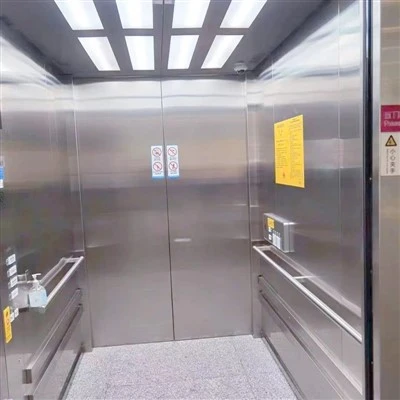
Safety is of utmost importance in hospital elevators. There are several types of safety signage that should be present. First, there should be a sign indicating the maximum capacity of the elevator. This is crucial as overloading can lead to mechanical failures and endanger the lives of passengers. The sign should clearly state the number of people and the maximum weight limit. For example, "Maximum Capacity: 10 Persons or 1600 kg".
Emergency stop buttons should also be clearly marked. A red sign with the words "Emergency Stop" in bold letters should be placed next to the button. This ensures that in case of an emergency, anyone inside the elevator can quickly identify and operate the stop button.
Another important safety sign is the emergency contact information. In case of a breakdown or other elevator - related emergencies, passengers need to know how to get in touch with help. A sign with the hospital's maintenance phone number or the elevator service provider's contact details should be prominently displayed.
Accessibility Signage
Hospitals are required to be accessible to all, including people with disabilities. Accessibility signage in elevators is therefore essential. Braille signage should be installed next to the floor buttons. This allows visually impaired individuals to independently select their desired floors. The Braille should be clear, well - formed, and in accordance with relevant accessibility standards.
In addition, there should be signs indicating the presence of wheelchair - accessible features. For example, a sign can indicate that the elevator has a wide door and a spacious interior to accommodate wheelchairs. There may also be signs for wheelchair - specific controls, such as lower - placed buttons or controls that can be easily operated from a wheelchair.
Specialized Signage for Different Types of Elevators
Hospitals often have different types of elevators, each serving specific purposes. For Medical Elevator, there may be signage that indicates its specialized use. These elevators may be used for transporting medical equipment, specimens, or for medical staff to move quickly between departments. A sign could say "Medical Use Only" or "For Medical Equipment Transport".
Patient Elevator signage is also distinct. These elevators are designed to transport patients, often on stretchers or in wheelchairs. A sign might indicate the elevator's capacity for stretchers or wheelchairs, for example, "This elevator can accommodate one stretcher and two accompanying persons".
Hospital Stretcher Lift is specifically designed for moving patients on stretchers. The signage on these elevators should highlight their unique features, such as a larger interior space and a smooth ride to prevent discomfort to patients. Signage could say "Stretcher - Only Elevator: Designed for Smooth Patient Transport".
2000kg Stretcher Elevator and 1600kg Hospital Elevator have different weight - bearing capacities. The signage should clearly indicate these capacities, along with any specific usage instructions related to the weight limit. For example, "2000kg Stretcher Elevator: Please ensure total load does not exceed 2000kg".


Way - finding and Information Signage
In addition to basic directional and floor signage, way - finding and information signage can enhance the user experience in hospital elevators. This can include maps of the hospital floors served by the elevator. A simple, color - coded map can show the location of different departments, exits, restrooms, etc.
There can also be signs providing useful information, such as visiting hours. For example, "Visiting Hours: 9:00 AM - 8:00 PM". This helps visitors plan their trips to the hospital and use the elevator appropriately.
Importance of High - Quality Signage
High - quality signage in hospital elevators is not just about aesthetics; it has a direct impact on the functionality and safety of the elevators. Clear and legible signage reduces confusion, especially for patients and visitors who may be in a stressful situation. It helps in efficient movement within the hospital, which is crucial for providing timely medical care.
In addition, proper signage ensures compliance with safety and accessibility regulations. Hospitals are required to meet certain standards in terms of elevator signage, and failure to do so can result in legal issues.
Conclusion
As a hospital elevator supplier, I emphasize the importance of choosing the right signage for hospital elevators. The signage should be designed with the needs of all users in mind, including patients, staff, and visitors. It should be clear, durable, and in line with relevant safety and accessibility standards.
If you are in the process of equipping your hospital with elevators or looking to upgrade the existing signage, I encourage you to reach out for more information. We can provide customized signage solutions that meet your specific requirements. Contact us today to start discussing your hospital elevator signage needs.
References
- American National Standards Institute (ANSI). (Year). ANSI A17.1 - Safety Code for Elevators and Escalators.
- International Organization for Standardization (ISO). (Year). ISO 23953 - 1:2019 - Lifts (elevators) - Part 1: General requirements.