In the dynamic world of transportation infrastructure, airports stand as bustling hubs that demand seamless movement of passengers and luggage. Among the various elements contributing to an airport's functionality, escalators play a pivotal role in facilitating vertical mobility. But the question arises: Can a commercial escalator be used in an airport? As a commercial escalator vendor intricately involved in the industry, I'm thrilled to explore this topic in detail.
Understanding Commercial Escalators
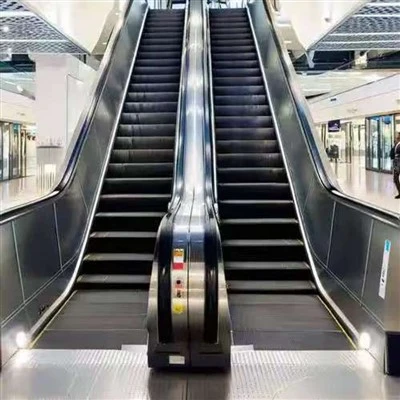
Commercial escalators are engineered to accommodate high-traffic environments such as shopping malls, hotels, and office buildings. They are designed with durability, reliability, and passenger safety in mind. These escalators typically feature robust construction, efficient motors, and advanced safety mechanisms to ensure smooth and secure operation. For instance, a standard commercial escalator is built to withstand continuous use throughout the day, with a high capacity for carrying both people and light goods.
Our Commercial Escalator range offers a variety of models tailored to different commercial needs. From compact designs suitable for smaller spaces to large-capacity escalators for high-traffic areas, we have the expertise to provide the right solution. These escalators are equipped with state-of-the-art technology, including energy-efficient drives and intelligent control systems, which not only reduce operational costs but also enhance the overall performance.
The Requirements of Airport Environments
Airports are unique in their operational requirements. Unlike regular commercial settings, airports experience a constant stream of passengers with diverse needs, including travelers with heavy luggage, the elderly, and individuals with disabilities. Additionally, airports operate 24/7, which means escalators must be highly reliable and require minimal maintenance.
Safety is of utmost importance in airports. Escalators need to comply with strict international safety standards, such as the requirements set by the International Civil Aviation Organization (ICAO) and local aviation authorities. These standards cover aspects like handrail speed synchronization, emergency stop buttons, and anti-slip steps to prevent accidents and ensure the well - being of passengers.
Another key factor is the integration of escalators with the overall airport design. Escalators should blend seamlessly with the airport's architecture and layout, providing a comfortable and efficient transfer experience between different levels of the terminal. Moreover, in an airport environment, escalators may need to be customized to accommodate specific architectural features, such as large atriums or sloped floors.
Can Commercial Escalators Meet Airport Needs?
The answer is a resounding yes, but with some considerations. Many commercial escalators have the potential to be adapted for airport use. Their basic design principles, such as the continuous movement of steps and the use of handrails, are consistent with what is required in airports.


However, to meet the unique demands of airports, certain modifications may be necessary. For example, commercial escalators can be upgraded with enhanced safety features. Our Anti Climb Escalator technology can be incorporated to prevent unauthorized access to the escalator structure, which is particularly important in a public and high - security environment like an airport.
In terms of capacity, commercial escalators can be scaled up to handle the large number of passengers in airports. By increasing the width of the steps, the speed of the escalator, and the overall load - bearing capacity, we can ensure that the escalators can efficiently move passengers during peak travel times.
Regarding maintenance, our commercial escalators are designed with easy - access panels and diagnostic systems for quick troubleshooting. This is crucial in an airport setting, where any downtime can cause significant disruptions to passenger flow. Regular maintenance contracts can be provided to ensure that the escalators remain in optimal condition at all times.
Advantages of Using Commercial Escalators in Airports
One of the main advantages of using commercial escalators in airports is the cost - effectiveness. Compared to custom - designed airport escalators, commercial escalators are generally more affordable, which can result in significant savings in the airport's capital expenditure.
Commercial escalators also offer a wide range of design options. Airports can choose from different styles, colors, and finishes to match their interior design themes. This allows for a more aesthetically pleasing and cohesive look in the terminal, enhancing the overall passenger experience.
Furthermore, as a commercial escalator vendor, we have an extensive supply chain and a large inventory of spare parts. This means that in case of any breakdowns, replacement parts can be quickly sourced and installed, minimizing the downtime of the escalators in the airport.
Customization for Airport Use
To fully adapt commercial escalators for airport use, customization is often required. For example, in areas with a high probability of water exposure, such as near entrances or in areas prone to condensation, our Waterproof Escalator technology can be applied. This ensures the durability and reliability of the escalator in wet conditions.
For airports located in areas with extreme weather conditions, such as very cold or hot climates, the escalators can be equipped with climate - control features. This includes heating systems to prevent the steps from freezing in cold weather and cooling systems to maintain optimal operating temperatures in hot environments.
In addition, to improve the accessibility for passengers with disabilities, commercial escalators can be modified to include features such as tactile indicators on the handrails and audible announcements. These features comply with accessibility standards and make the airport more inclusive for all passengers.
Integration with Airport Systems
Commercial escalators can be integrated with other airport systems for better management and operation. For example, they can be connected to the airport's building management system (BMS), which allows for real - time monitoring of the escalators' performance, energy consumption, and maintenance needs.
The escalators can also be synchronized with the airport's passenger flow management systems. This means that during peak travel times, the escalators can adjust their speed and operation mode to match the influx of passengers, ensuring a smooth and efficient transfer process.
Conclusion and Call to Action
In conclusion, commercial escalators can indeed be used in airports. With the right modifications, customization, and integration, they can meet the unique requirements of airport environments in terms of safety, capacity, and functionality.
If you are an airport planner, operator, or involved in the design or renovation of an airport terminal, I invite you to explore our Commercial Escalator range. We have the expertise and experience to provide you with the best - suited escalators for your airport, along with comprehensive after - sales support. Our team of experts is ready to work with you to design and install escalators that not only meet but exceed your expectations. Contact us today to start a conversation about your specific needs and how we can help you enhance the passenger experience in your airport.
References
International Civil Aviation Organization (ICAO). Aviation Safety Standards and Recommended Practices.
Industry reports on escalator design and usage in high - traffic public areas.