Alright, so let's dig into this really important topic: How do patient elevators handle communication during an emergency? As a patient elevator supplier, I've seen firsthand how crucial proper communication is in these life - and - death situations.
The Importance of Communication in Patient Elevators
First off, you gotta understand why communication in patient elevators is so vital. Picture this: a critically ill patient is being rushed from the ER to the operating room. Suddenly, the elevator malfunctions. Without proper communication, the medical staff and the patient are in a real bind. In normal situations, these elevators are used to transport patients, stretchers, and medical equipment across different floors of a hospital efficiently. But in an emergency, they become a lifeline, and the ability to communicate can mean the difference between life and death.
Standard Communication Systems
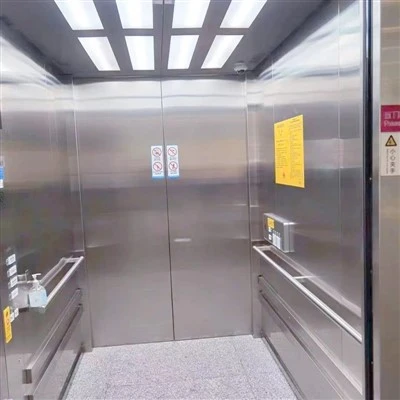
Most patient elevators come equipped with some basic communication systems. There's usually an intercom that connects the elevator car to the hospital's security or maintenance control room. This is like the first line of defense. When something goes wrong, the people in the elevator can press a button and speak directly to someone on the outside. They can quickly describe the situation, whether it's a power outage, mechanical failure, or a medical emergency inside the elevator.
Then, there's the emergency call button. It's a big, red, easy - to - find button that, when pressed, sends an alert to the appropriate hospital departments. This button is designed to be used in the most dire of circumstances, and it ensures that the right people are notified immediately.
Advanced Communication Features
But we don't stop at the basics. Our Patient Elevator models are packed with advanced communication features. For example, we have real - time video monitoring. This allows the hospital staff outside the elevator to see what's going on inside. If there's a medical emergency and the patient's condition worsens, they can assess the situation visually and give more accurate instructions to the medical team inside the elevator.
We also offer two - way audio with high - quality sound. No more fuzzy voices or misunderstandings. Clear communication means that the medical staff in the elevator can receive detailed instructions on how to handle the emergency, such as administering first - aid or stabilizing the patient until help arrives.
Communication with External Emergency Services
In some cases, the hospital's internal communication isn't enough. That's why our patient elevators are designed to connect directly with external emergency services. For instance, if there's a major fire in the building and the elevator gets stuck, the system can automatically send an alert to the local fire department. They can then use the information about the elevator's location and the number of people inside to plan their rescue operation more effectively.
Handling Power Outages
Power outages are a common concern, especially in older hospitals. But our elevators are prepared for this. They come with backup power systems that keep the communication systems running. Even if the main power fails, the intercom, emergency lights, and video monitoring will continue to work for a certain period. This gives the people inside the elevator enough time to communicate their situation and wait for help.
The Role of Training
Having great communication systems is one thing, but the people using them also need to be properly trained. Medical staff, security personnel, and maintenance workers should all know how to use the elevator's communication features. We offer comprehensive training programs for our customers. This includes hands - on training on how to operate the intercom, how to respond to emergency alerts, and how to assist the people inside the elevator during a crisis.
Safety and Compliance
All of our Patient Elevator models are designed to meet strict safety and compliance standards. We make sure that the communication systems are reliable and easy to use. We follow all the relevant regulations, whether it's the requirements for medical equipment safety or the standards for emergency communication in public buildings.
Different Types of Patient Elevators and Their Communication Needs
Let's talk about the different types of patient elevators and how their communication requirements vary. Our 2000kg Stretcher Elevator is designed to carry large, heavy stretchers and multiple medical staff. In an emergency, there might be more chaos and a greater need for clear communication. That's why this model has additional audio speakers and a more robust video monitoring system.
The Hospital Stretcher Lift is often used for shorter - distance transfers, like between floors in a specific ward. However, it still needs to have reliable communication. In this case, the focus is on quick and easy connectivity to the local ward's nursing station.
Our 1600kg Hospital Elevator is a popular choice for medium - sized hospitals. It has a well - balanced communication system that can handle a variety of emergency situations, from minor glitches to full - blown medical emergencies.


Future of Communication in Patient Elevators
Looking ahead, I think we'll see even more advancements in elevator communication. With the rise of the Internet of Things (IoT), we can expect patient elevators to be more connected than ever. They might be able to send real - time data about the elevator's status, the patient's vital signs (if connected to medical devices), and even suggest the best course of action based on pre - programmed algorithms.
Conclusion and Call to Action
In conclusion, communication in patient elevators during an emergency is a complex but essential aspect of hospital operations. Our company is at the forefront of providing high - quality patient elevators with state - of - the - art communication systems. If you're in the market for a reliable Patient Elevator or Elevator Medical solution, don't hesitate to reach out. We're here to help you choose the right elevator for your hospital's needs and make sure that your patients and staff are safe in every situation.
References
- International Association of Elevator Consultants. "Best Practices for Elevator Communication in Healthcare Facilities."
- Hospital Safety and Emergency Management Guidelines. Edition 2023.
- Research on Elevator Technology Advancements in Medical Settings. Scientific Journal of Medical Engineering, Vol. 15.