As a supplier of Elevator Medical, I've seen firsthand how crucial it is to maintain the stability of elevators for patients being moved. In this blog, I'll share some insights on how we ensure that these elevators remain stable during patient movement, which can be a nerve - wracking experience for both medical staff and patients.
The Basics of Elevator Stability Design
First and foremost, the design of Elevator Medical is all about stability. We don't just throw together some mechanical parts and call it an elevator. Every component, from the cables to the control systems, is carefully engineered. For example, the cables used in our elevators are made of high - strength steel. These cables are tested rigorously to ensure they can handle the weight of patients and medical equipment. We're not talking about just any old steel; it's a special alloy that's been developed to be extra strong and resistant to wear and tear.
The control systems are another key factor. Our elevators use state - of the - art microprocessors that constantly monitor the elevator's movement. They can detect even the slightest change in speed or direction and make adjustments immediately. It's like having a super - smart brain inside the elevator that keeps everything in check.
Safety Features for Patient Movement
When it comes to moving patients, safety is our top concern. That's why we've packed our elevators with a bunch of safety features. One of the most important ones is the emergency braking system. If something goes wrong, like a cable snaps or the elevator starts to move too fast, the emergency brake kicks in right away. It's designed to stop the elevator smoothly, so patients don't experience any sudden shocks.
We also have anti - vibration technology in our elevators. When an elevator moves, especially when it's going up or down a long way, there can be vibrations. These vibrations can be uncomfortable for patients, especially those who are in a fragile condition. Our anti - vibration technology reduces these vibrations to a minimum. It's like driving a luxury car on a bumpy road but not feeling a thing.
Specialized Elevators for Different Needs
We understand that different hospitals have different needs when it comes to patient transportation. That's why we offer a variety of specialized elevators. For example, our 1600kg Hospital Elevator is great for medium - sized hospitals that need to move multiple patients or large equipment. It has a big enough capacity to handle the load without compromising on stability.
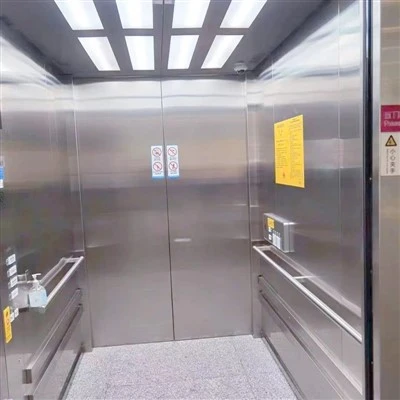
Our Elevator Medical is designed for general patient movement. It's user - friendly and has all the necessary safety features to ensure a smooth ride. The Kone Bed Elevator is specifically designed for moving patients on beds. It has a larger door and a wider interior to accommodate the bed easily. And our 2000kg Stretcher Elevator is perfect for hospitals that deal with critical cases. It's built like a tank in terms of strength and stability. The Patient Elevator combines all the best features for comfortable patient movement.
Maintenance and Monitoring
Ensuring elevator stability isn't just about the initial design and installation. We also offer comprehensive maintenance and monitoring services. Our team of technicians regularly checks the elevators to make sure everything is in good working condition. They look at the cables, the motors, and the control systems. If they find any signs of wear or damage, they fix it right away.


We also have a remote monitoring system in place. It allows us to keep an eye on the elevators 24/7. If there's an issue, we can detect it early and send a technician to the site before it becomes a major problem. This way, the elevators are always up and running, providing stable and reliable service for patient movement.
Training for Medical Staff
Another aspect that we often overlook but is crucial for elevator stability during patient movement is the training of medical staff. We offer training programs for hospital staff on how to use our elevators safely and effectively. This includes how to load and unload patients properly, what to do in case of an emergency, and how to communicate with the elevator's control system. When the medical staff knows what they're doing, it reduces the chances of any sudden movements or accidents inside the elevator, which in turn helps maintain stability.
Conclusion
In a nutshell, ensuring the stability of elevators during patient movement is a multi - faceted process. It starts with the design and construction of high - quality elevators, packed with safety features. Then, specialized elevators are provided to meet different needs. Regular maintenance and monitoring ensure that the elevators are always in top - notch condition. And finally, training medical staff plays a vital role in keeping everything running smoothly.
If you're in the market for reliable Elevator Medical solutions, don't hesitate to reach out. We're here to help you find the perfect elevator for your hospital's needs and ensure that your patients have a safe and stable ride.
References
- Elevator Engineering Handbook, various editions
- Journal of Hospital Equipment and Safety
- Industry reports on elevator technology and patient transportation