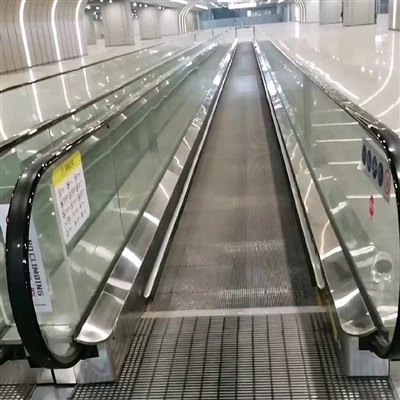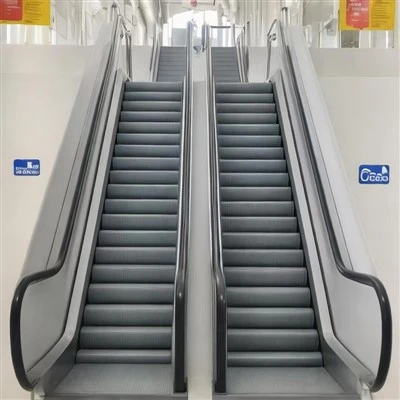
Installing a moving walk is a complex yet rewarding process that requires careful planning, technical expertise, and adherence to safety standards. As a Moving Walk Escalator supplier, I have witnessed firsthand the transformative impact these systems can have on various public and commercial spaces. In this blog, I will guide you through the step-by-step process of installing a moving walk, from initial site assessment to final commissioning.
Step 1: Site Assessment
The first step in installing a moving walk is to conduct a thorough site assessment. This involves evaluating the physical space where the moving walk will be installed, including the dimensions, layout, and structural integrity of the area. It is essential to ensure that the site can accommodate the size and weight of the moving walk, as well as provide adequate clearance for passengers and maintenance access.
During the site assessment, we also consider the specific requirements of the project, such as the expected traffic volume, the intended use of the moving walk, and any special features or customization options. This information helps us determine the most suitable type and configuration of the moving walk for the site.
Step 2: Design and Engineering
Once the site assessment is complete, our team of engineers and designers will work closely with you to develop a customized design for the moving walk. This includes selecting the appropriate components, such as the treads, handrails, motors, and control systems, based on the site requirements and your specific needs.
We use advanced computer-aided design (CAD) software to create detailed 3D models of the moving walk, which allows us to visualize the installation process and identify any potential issues or challenges. This ensures that the design is optimized for performance, safety, and durability.
Step 3: Manufacturing and Assembly
After the design is finalized, the manufacturing process begins. Our state-of-the-art manufacturing facility is equipped with the latest technology and equipment to ensure the highest quality standards are met. We use only the finest materials and components, sourced from trusted suppliers, to build the moving walk.
The manufacturing process involves several stages, including cutting, bending, welding, and painting the components. Once the components are fabricated, they are assembled into the complete moving walk system. This process requires precision and attention to detail to ensure that all the components fit together correctly and function properly.
Step 4: Installation
The installation of the moving walk is a critical phase of the project. It requires a team of experienced technicians and installers who are trained in the proper installation procedures and safety protocols. The installation process typically takes several days to complete, depending on the size and complexity of the moving walk.
The first step in the installation process is to prepare the site. This involves clearing the area, installing the support structure, and making any necessary modifications to the building. Once the site is prepared, the moving walk components are transported to the site and assembled on-site.
The installation team then connects the electrical and mechanical systems, tests the operation of the moving walk, and makes any necessary adjustments. This ensures that the moving walk is functioning properly and meets all the safety and performance standards.
Step 5: Testing and Commissioning
After the installation is complete, the moving walk undergoes a series of rigorous tests to ensure its safety and performance. These tests include functional tests, safety tests, and load tests. The functional tests verify that the moving walk operates smoothly and efficiently, while the safety tests ensure that all the safety features are working properly.
The load tests involve simulating the expected traffic volume on the moving walk to ensure that it can handle the load without any issues. Once the tests are complete and the moving walk passes all the requirements, it is ready for commissioning.
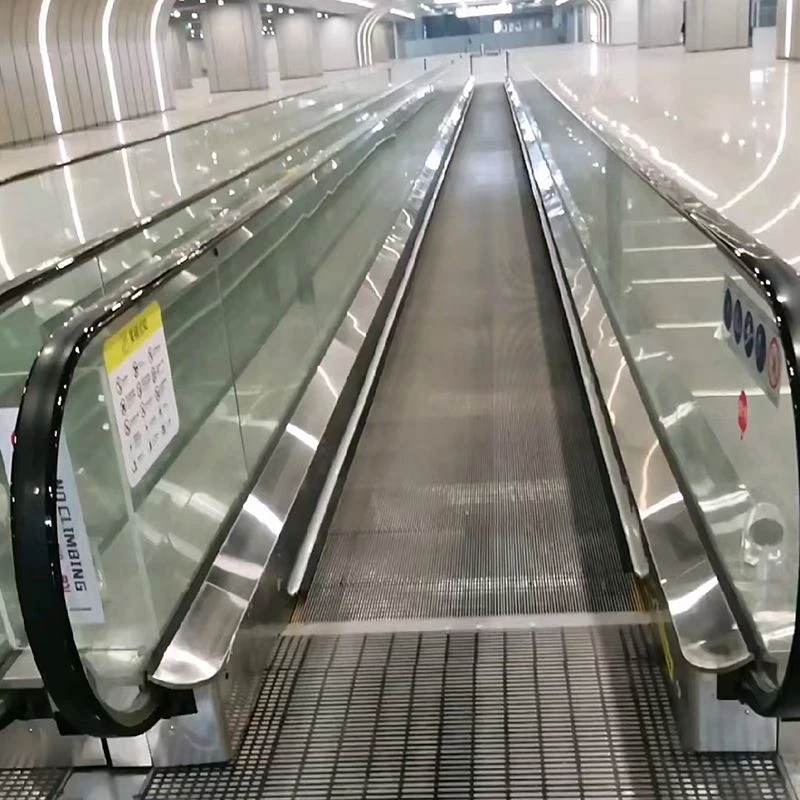
Step 6: Training and Maintenance
Once the moving walk is commissioned, we provide comprehensive training to the building management and maintenance staff on how to operate and maintain the system. This training includes safety procedures, emergency response protocols, and routine maintenance tasks.
We also offer ongoing maintenance services to ensure the long-term performance and reliability of the moving walk. Our maintenance team conducts regular inspections, lubrication, and adjustments to keep the moving walk in optimal condition.
Benefits of Installing a Moving Walk
Installing a moving walk offers several benefits for both public and commercial spaces. Here are some of the key advantages:
- Improved Mobility: Moving walks provide a convenient and efficient way to transport passengers over long distances, reducing the need for walking and improving mobility for people with disabilities or limited mobility.
- Increased Traffic Flow: By providing a dedicated transportation system, moving walks can help to increase the traffic flow in busy areas, such as airports, shopping malls, and train stations.
- Enhanced Safety: Moving walks are equipped with a range of safety features, such as handrails, emergency stop buttons, and sensors, to ensure the safety of passengers.
- Energy Efficiency: Modern moving walks are designed to be energy-efficient, using advanced technologies such as variable frequency drives and regenerative braking to reduce energy consumption.
- Aesthetic Appeal: Moving walks can enhance the aesthetic appeal of a building, adding a modern and sophisticated touch to the interior design.
Conclusion
Installing a moving walk is a complex process that requires careful planning, technical expertise, and adherence to safety standards. As a Moving Walk Escalator supplier, we have the experience and knowledge to provide you with a high-quality moving walk system that meets your specific needs and requirements.
If you are interested in installing a moving walk in your building, I encourage you to contact us to discuss your project. Our team of experts will work closely with you to develop a customized solution that is tailored to your site and budget. We offer a range of Flat Moving Escalator, Moving Walk Escalator, Automatic Walkway, Moveable Walkway, and Rolling Walkway options to choose from, and we can provide you with a free consultation and quote.
References
- ASME A17.1 - Safety Code for Elevators and Escalators
- EN 115 - Safety rules for the construction and installation of escalators and moving walks
- ISO 14121 - Safety of machinery - Risk assessment and risk reduction