Can a flat moving escalator be used for wheelchair access? That's a question I've been getting a lot lately, especially since I'm a supplier of Flat Moving Escalators. So, I thought I'd take a deep dive into this topic and share my thoughts.
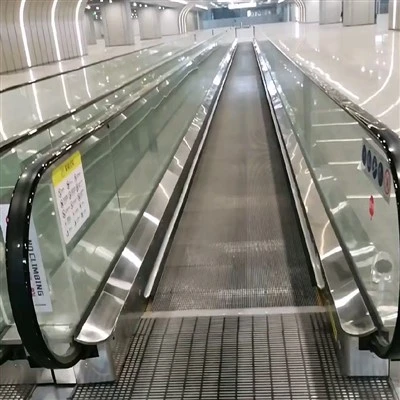
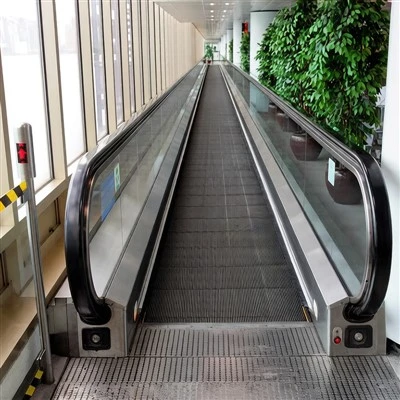
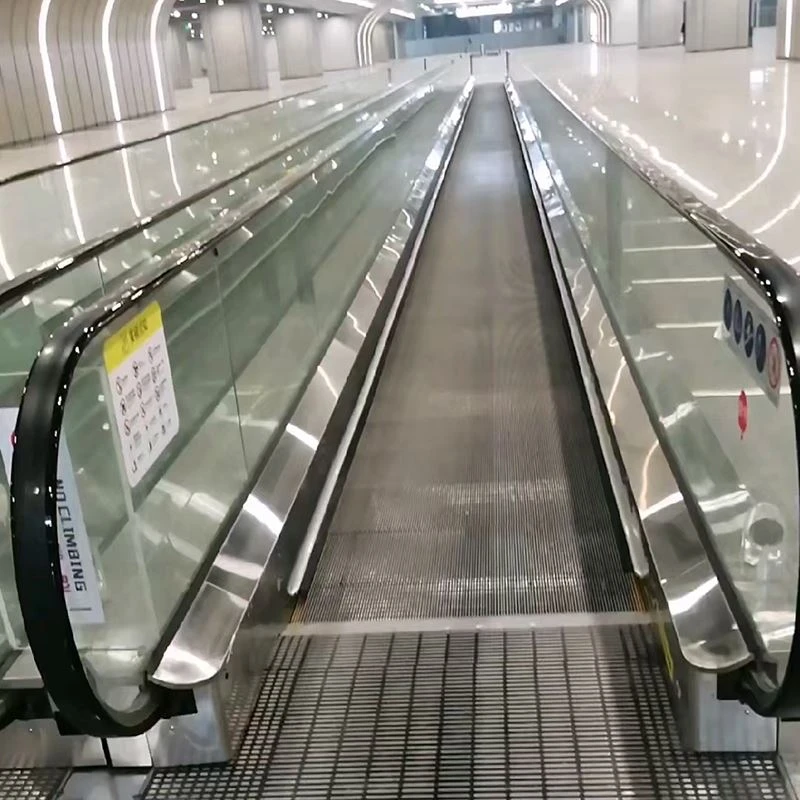
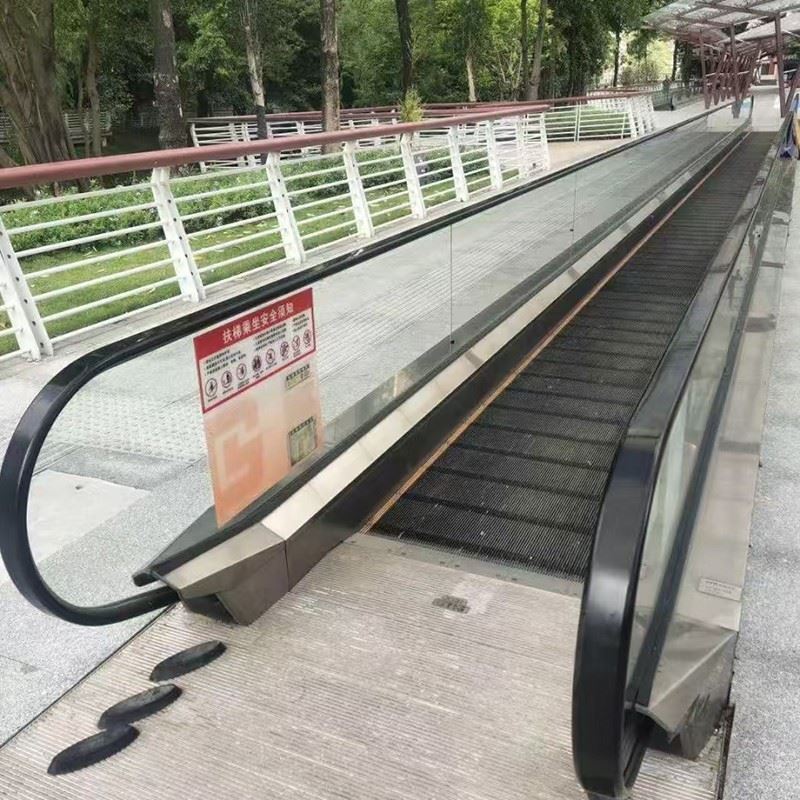
First off, let's talk about what a flat moving escalator is. It's also known by other names like Moveable Walkway, Rolling Walkway, Moving Walk Escalator, or Automatic Walkway. Essentially, it's a horizontal or slightly inclined conveyor - type system that moves people from one place to another in large public areas like airports, malls, and train stations.
Now, when it comes to wheelchair access, the short answer is yes, but with some important considerations.
Advantages of Using a Flat Moving Escalator for Wheelchair Access
One of the biggest advantages is convenience. In large facilities, getting from one end to the other can be a real hassle, especially for wheelchair users. A flat moving escalator can significantly reduce the time and effort it takes to cover a long distance. For example, at a huge airport terminal, a wheelchair user might have to travel hundreds of meters to reach their gate. With a flat moving escalator, they can simply roll onto it and let the machine do the work.
Another advantage is that flat moving escalators are generally very smooth. Unlike some traditional elevators that might have jerky movements, a well - maintained flat moving escalator provides a stable ride. This is great for wheelchair users as it reduces the risk of discomfort or even injury that could be caused by sudden stops or starts.
Safety Considerations
However, safety is the number one concern when it comes to using flat moving escalators for wheelchair access. The surface of the escalator needs to be wheelchair - friendly. It should be flat, without any gaps or ridges that could catch the wheels of a wheelchair. Most modern flat moving escalators are designed with a smooth surface, but it's still crucial to double - check.
Visibility is also important. There should be clear markings at the entrance and exit of the escalator to indicate the safe areas for wheelchair users to enter and exit. Additionally, the lighting around the escalator should be sufficient so that wheelchair users can clearly see where they're going.
Speed is another factor. The speed of the flat moving escalator should be set at a level that is safe for wheelchair users. If it's too fast, it can be difficult for a wheelchair user to control their chair, especially when entering or exiting the escalator. On the other hand, if it's too slow, it might not be very efficient.
Regulatory Requirements
In many countries, there are strict regulations regarding the use of flat moving escalators for wheelchair access. These regulations cover aspects such as the minimum width of the escalator to accommodate a wheelchair, the maximum slope (if it's inclined), and the safety features that need to be in place.
For example, the escalator should have emergency stop buttons that are easily accessible to wheelchair users. There should also be audible and visual warnings in case of any malfunctions or emergencies. As a supplier, I always make sure that our Flat Moving Escalators comply with all relevant regulations.
Training and Awareness
It's not just about the equipment itself; training and awareness are also crucial. Wheelchair users need to be educated on how to safely use a flat moving escalator. This includes things like how to approach the escalator, how to position their chair on it, and what to do in case of an emergency.
Facility staff also need to be trained to assist wheelchair users on the escalator. They should know how to operate the emergency stop buttons, how to help a wheelchair user in case of a problem, and how to ensure the overall safety of everyone using the escalator.
Cost - Benefit Analysis
From a cost - benefit perspective, installing a flat moving escalator for wheelchair access can be a smart investment for large facilities. While the initial cost of purchasing and installing a Flat Moving Escalator can be high, the long - term benefits can outweigh the costs.
It improves the overall accessibility of the facility, which can attract more customers, including those with disabilities. It also reduces the burden on other accessibility options, such as elevators, which can get overcrowded.
Real - Life Examples
There are many real - life examples of successful wheelchair access on flat moving escalators. In some large international airports, flat moving escalators have been installed to provide easy access for passengers with disabilities. These escalators are designed with all the necessary safety features and are widely used by wheelchair users.
In shopping malls, flat moving escalators have also been a great addition. They allow wheelchair users to easily move between different areas of the mall, enhancing their shopping experience.
Challenges and Limitations
Of course, there are some challenges and limitations. One challenge is the maintenance of the escalator. To ensure the safety of wheelchair users, the escalator needs to be regularly inspected and maintained. Any mechanical issues need to be addressed immediately.
Another limitation is that not all facilities may have the space to install a flat moving escalator. In some older buildings, the layout might not allow for the installation of a large moving walkway.
In conclusion, a flat moving escalator can definitely be used for wheelchair access, but it requires careful planning, proper design, strict safety measures, and adequate training. As a supplier of Flat Moving Escalators, I'm committed to providing high - quality products that meet the needs of wheelchair users and facility owners alike.
If you're considering purchasing a flat moving escalator for your facility, whether it's an airport, mall, or train station, I'd love to have a chat with you. We can discuss your specific requirements, the best options for your space, and how to ensure the safety and convenience of all users. Contact us to start the procurement discussion and make your facility more accessible.
References
- Standards and regulations on accessibility in public facilities issued by relevant government departments.
- Industry research reports on the use of moving walkways for disabled access.
- Case studies of successful installations of flat moving escalators in large public areas.