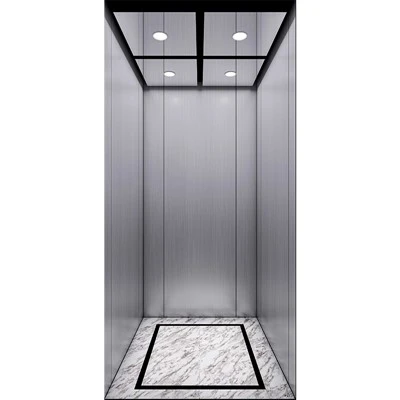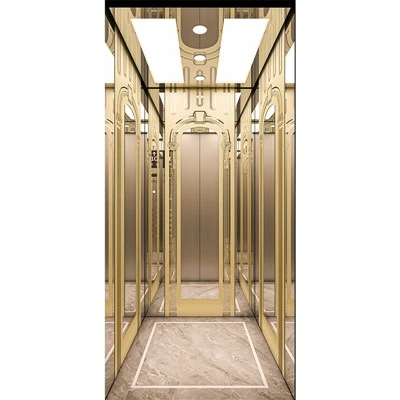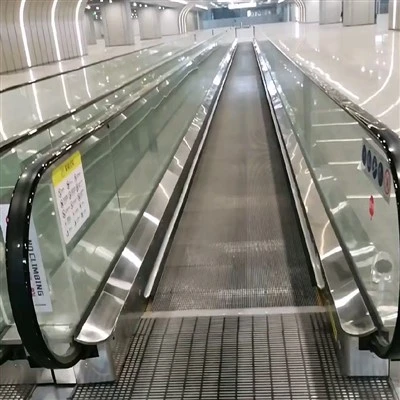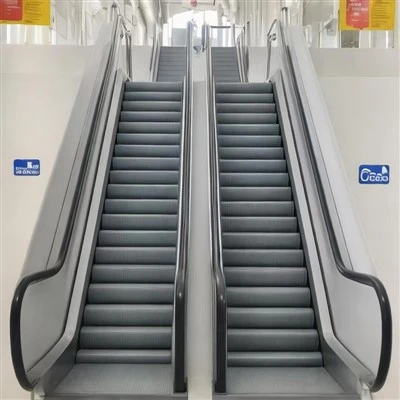
In the realm of vertical transportation, passenger elevators play a crucial role in modern buildings, whether they are commercial skyscrapers, residential complexes, or industrial facilities. As a leading passenger elevator supplier, we often encounter inquiries about the differences between single - speed and variable - speed passenger elevators. Understanding these distinctions is essential for making informed decisions when it comes to elevator installation, modernization, or replacement.
Operating Principles
Single - speed passenger elevators operate at a fixed speed throughout their motion. This is achieved through a relatively simple mechanical and electrical control system. Once the elevator is initiated, it moves at a pre - determined speed, typically chosen based on the building's height and traffic requirements. For instance, in a low - rise building with less frequent use, a single - speed elevator with a moderately slow speed may be sufficient.
On the other hand, variable - speed passenger elevators offer a more dynamic operation. These elevators can adjust their speed according to the specific needs of the journey. The control system uses advanced technologies such as variable frequency drives (VFDs). When starting from a stop, the elevator accelerates gradually, reaching the optimal speed for the journey. As it approaches the destination floor, it decelerates smoothly. This variable - speed operation is particularly beneficial in high - rise buildings where quick and efficient transportation is of the essence.
Performance and Efficiency
One of the most significant differences between the two types of elevators lies in their performance. Single - speed elevators are straightforward in their functionality. They are reliable but lack the finesse of variable - speed elevators in terms of passenger comfort and journey time. Due to the fixed speed, they often have a more abrupt start and stop, which can be jarring for passengers. In addition, the travel time may be longer, especially in multi - floor buildings, as the elevator cannot adjust its speed to optimize the journey.
Variable - speed elevators shine in performance. The smooth acceleration and deceleration not only provide a more comfortable ride for passengers but also reduce the overall wear and tear on the elevator components. This results in less frequent maintenance and potentially longer equipment life. In terms of efficiency, variable - speed elevators can save energy. The VFD allows the elevator to consume only the necessary amount of power based on the speed and load conditions. For example, when the elevator is carrying a light load or traveling a short distance, it can operate at a lower speed, consuming less electricity compared to a single - speed elevator that is always running at a fixed high - energy intensity.
Applications
The choice between single - speed and variable - speed elevators depends largely on the application. Single - speed elevators are well - suited for low - to mid - rise buildings with relatively low traffic volumes. This includes small residential buildings, basic industrial facilities, or low - budget commercial buildings. They are cost - effective solutions that can meet the basic vertical transportation needs without the complexity of variable - speed technology. For example, in a small industrial workshop, a Industrial Passenger Lifts can efficiently transport workers between floors at a fixed speed.
Variable - speed elevators, however, are the preferred choice for high - rise buildings, commercial centers, and large public facilities. In a large commercial complex, fast and comfortable vertical transportation is necessary to handle the high volume of passengers. Traction Passenger Elevator with variable - speed capabilities can quickly move people between multiple floors, improving the overall efficiency of the building. They are also suitable for buildings that require a high level of accessibility, such as hospitals and airports. For example, a Disabled Passenger Lift with variable - speed operation can provide a smoother and more comfortable ride for people with disabilities.
Cost Considerations
The initial cost of a single - speed elevator is generally lower than that of a variable - speed elevator. The simple design and control system of single - speed elevators reduce the manufacturing and installation costs. However, when considering the long - term cost, the picture may be different. Single - speed elevators may consume more energy over time, leading to higher utility bills. They may also require more frequent maintenance due to the abrupt start - stop operation, which can increase the overall cost of ownership.
Variable - speed elevators, while more expensive upfront, can offer significant cost savings in the long run. The energy - efficient operation and reduced wear and tear result in lower operating and maintenance costs. In addition, the improved performance and passenger comfort can enhance the value of the building, making it a more attractive investment. For a large - scale commercial project, the long - term benefits of a Commercial Passenger Elevator with variable - speed technology often outweigh the initial cost.
Installation and Maintenance
The installation process of single - speed elevators is relatively simpler compared to variable - speed elevators. Single - speed elevators have fewer components and a less complex control system, which means that the installation can be completed more quickly and with less technical expertise. However, it is still essential to ensure proper installation to guarantee the safety and reliability of the elevator.
Variable - speed elevators, with their advanced technology and complex control systems, require more skilled technicians for installation. The installation process may take longer to ensure that all components are properly integrated and calibrated. Maintenance of variable - speed elevators also requires specialized knowledge. The VFD and other high - tech components need regular inspection and testing to ensure optimal performance. However, the long - term maintenance benefits, such as reduced wear and tear, can offset the additional technical requirements.

Accessibility and Safety
Both single - speed and variable - speed elevators are designed to meet strict safety standards. However, variable - speed elevators have an edge in terms of accessibility and the overall passenger experience. The smooth acceleration and deceleration are particularly beneficial for people with limited mobility, such as the elderly or disabled. A Disabled Passenger Lift with variable - speed operation can provide a more stable and comfortable ride, reducing the risk of falls or injuries.
In addition, variable - speed elevators can be equipped with more advanced safety features. The control system can monitor the elevator's speed, position, and load in real - time, allowing for quick response to any abnormal conditions. For example, if the elevator detects an overload, it can adjust its speed or issue a warning to prevent potential safety hazards.
Aesthetics and Design
The design of an elevator can also be influenced by whether it is single - speed or variable - speed. Single - speed elevators, with their simpler technology, may have a more basic design. They are often focused on functionality rather than aesthetics. However, there are still options available to customize the appearance of single - speed elevators to match the building's interior design.
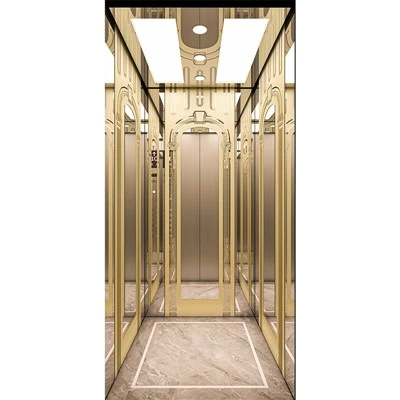
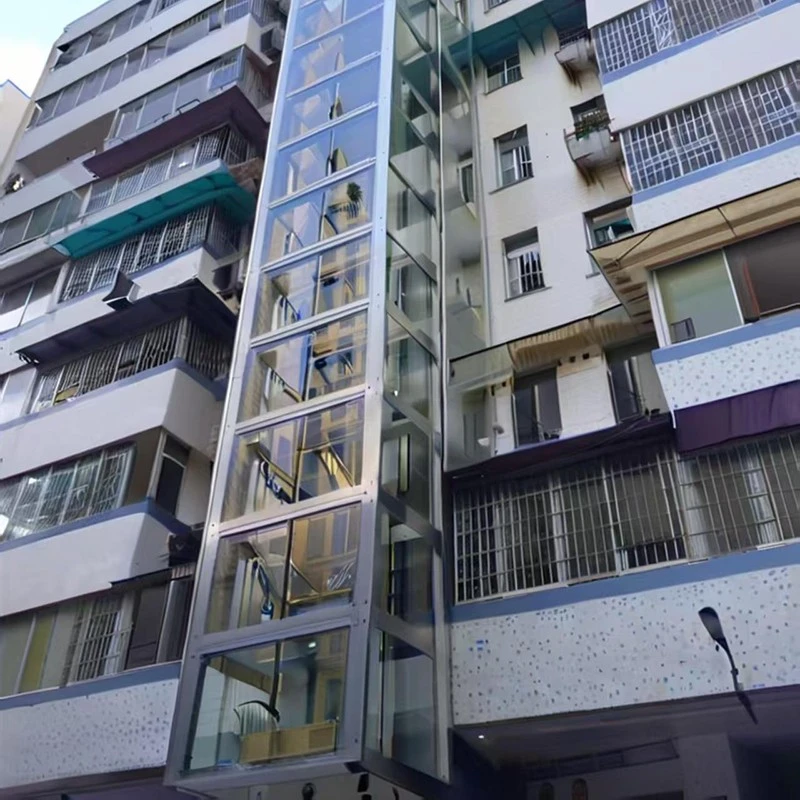
Variable - speed elevators, due to their association with high - end buildings, often come with more advanced design features. They can be customized with a wide range of finishes, lighting options, and interior configurations. For example, in a luxury hotel or a modern office building, an External Passenger Lifts with a glass enclosure and sophisticated lighting can enhance the overall aesthetic appeal of the building.
As a passenger elevator supplier, we understand that choosing the right elevator type is a crucial decision for any building project. Whether you need a simple and cost - effective single - speed elevator for a small building or a high - performance variable - speed elevator for a large - scale development, we have a wide range of products to meet your needs. We are committed to providing the best solutions in terms of performance, safety, and cost - effectiveness. If you are interested in learning more about our passenger elevator options or would like to discuss a specific project, please feel free to contact us for a detailed consultation.
References
- Sherman, A. (2020). Vertical Transportation Handbook. Elevator Press.
- Strakosch, G. R. (2018). Strakosch's Vertical Transportation Handbook. Wiley.