Are there any regulations regarding the marking of freight elevators?
As a supplier of freight elevators, I often encounter questions from clients about the regulations surrounding the marking of these essential pieces of equipment. Freight elevators play a crucial role in various industries, from manufacturing plants to warehouses and even residential buildings. Ensuring that they are properly marked is not only a matter of compliance but also a key factor in safety and efficiency.
The Importance of Marking Freight Elevators
Marking freight elevators serves several important purposes. Firstly, it provides clear information to users about the elevator's capacity, which is vital for preventing overloading. Overloading a freight elevator can lead to mechanical failures, accidents, and potential damage to the goods being transported. By clearly indicating the maximum weight and load capacity, users can make informed decisions about what they can safely carry in the elevator.
Secondly, markings help in identifying the elevator's intended use. Different types of freight elevators are designed for specific applications, such as industrial use, residential use, or warehouse operations. Markings can indicate whether an elevator is suitable for heavy machinery, pallets of goods, or personal belongings in a home. This helps to prevent the misuse of the elevator, which could otherwise lead to premature wear and tear or safety hazards.
Thirdly, proper marking is essential for regulatory compliance. Many countries and regions have specific regulations governing the operation and safety of freight elevators. These regulations often include requirements for marking, such as the use of specific symbols, colors, and text. By complying with these regulations, elevator suppliers and users can avoid fines and legal issues.
Types of Markings on Freight Elevators
There are several types of markings that are commonly found on freight elevators. These include:
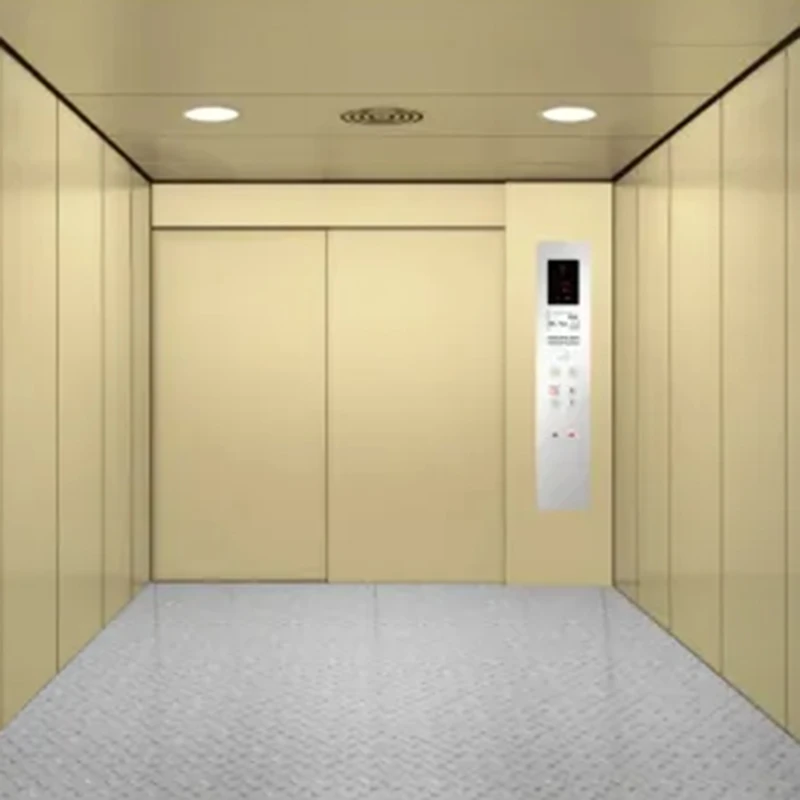
Capacity Markings: These markings indicate the maximum weight and load capacity of the elevator. They are usually displayed inside the elevator car and may also be posted near the elevator entrance. Capacity markings can be in the form of text, numbers, or symbols.
Usage Markings: These markings indicate the intended use of the elevator. For example, an elevator may be marked as "Industrial Use Only" or "Residential Use." Usage markings help to prevent the misuse of the elevator and ensure that it is used for its intended purpose.
Safety Markings: These markings provide important safety information to users. They may include instructions on how to operate the elevator safely, warnings about potential hazards, and emergency contact information. Safety markings are typically located inside the elevator car and near the elevator controls.
Direction Markings: These markings indicate the direction in which the elevator is traveling. They are usually located above the elevator doors and may be in the form of arrows or text. Direction markings help users to determine whether the elevator is going up or down.
Emergency Markings: These markings indicate the location of emergency exits, emergency stop buttons, and other safety features. They are typically located inside the elevator car and near the elevator controls. Emergency markings are essential for ensuring the safety of users in the event of an emergency.
Regulations Regarding the Marking of Freight Elevators
The regulations regarding the marking of freight elevators vary from country to country and region to region. In general, however, most countries have specific regulations that govern the operation and safety of freight elevators, including requirements for marking.
In the United States, for example, the Occupational Safety and Health Administration (OSHA) has specific regulations regarding the marking of freight elevators. These regulations require that all freight elevators be marked with the maximum weight and load capacity, as well as the intended use of the elevator. The markings must be clearly visible and legible, and they must be located in a prominent position inside the elevator car and near the elevator entrance.
In addition to OSHA regulations, many states and local governments have their own regulations regarding the marking of freight elevators. These regulations may be more stringent than the federal regulations, and they may require additional markings or specific types of markings.
In Europe, the European Union has a set of regulations known as the Machinery Directive, which applies to all types of machinery, including freight elevators. The Machinery Directive requires that all freight elevators be marked with the manufacturer's name, the model number, the serial number, and the date of manufacture. In addition, the elevator must be marked with the maximum weight and load capacity, as well as the intended use of the elevator.
In Asia, many countries have their own regulations regarding the marking of freight elevators. For example, in Japan, the Ministry of Land, Infrastructure, Transport and Tourism has specific regulations regarding the marking of freight elevators. These regulations require that all freight elevators be marked with the maximum weight and load capacity, as well as the intended use of the elevator. The markings must be clearly visible and legible, and they must be located in a prominent position inside the elevator car and near the elevator entrance.
Our Company's Approach to Marking Freight Elevators
As a supplier of freight elevators, we take the regulations regarding the marking of freight elevators very seriously. We ensure that all of our elevators are marked in accordance with the relevant regulations, both in the United States and in other countries where we operate.
We use high-quality materials and printing techniques to ensure that our markings are clear, legible, and durable. Our markings are designed to withstand the harsh conditions of industrial and warehouse environments, as well as the wear and tear of regular use.
In addition to complying with the regulations, we also believe that proper marking is an important part of our commitment to safety and customer satisfaction. By providing clear and accurate information to our customers, we help them to use our elevators safely and efficiently.
Types of Freight Elevators We Offer
We offer a wide range of freight elevators to meet the needs of different industries and applications. Some of the types of freight elevators we offer include:
- Electric Freight Elevator: These elevators are powered by electricity and are ideal for use in buildings where there is a reliable power supply. They are available in a variety of sizes and capacities, and they can be customized to meet the specific needs of our customers.
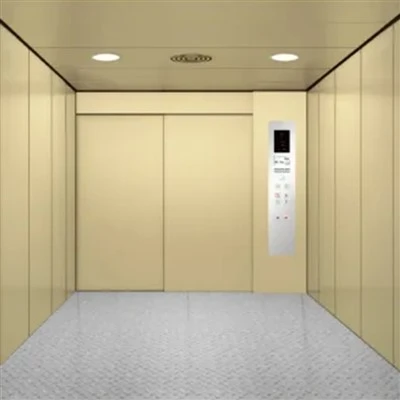
- Industrial Freight Elevator: These elevators are designed for use in industrial settings, such as manufacturing plants and warehouses. They are built to withstand heavy loads and frequent use, and they are available in a variety of configurations to meet the specific needs of our customers.
- Cargo Elevator for Home: These elevators are designed for use in residential buildings, such as homes and apartments. They are available in a variety of sizes and capacities, and they can be customized to meet the specific needs of our customers.
- Residential Freight Elevator: These elevators are similar to cargo elevators for home, but they are designed to be more aesthetically pleasing and to blend in with the surrounding environment. They are available in a variety of styles and finishes, and they can be customized to meet the specific needs of our customers.
- Warehouse Freight Elevator: These elevators are designed for use in warehouses and distribution centers. They are built to handle heavy loads and to operate efficiently in a high-volume environment. They are available in a variety of sizes and capacities, and they can be customized to meet the specific needs of our customers.
Contact Us for Your Freight Elevator Needs
If you are in the market for a freight elevator, we would be happy to help you find the right solution for your needs. Our team of experts has extensive experience in the design, installation, and maintenance of freight elevators, and we can provide you with the guidance and support you need to make an informed decision.
Whether you need an electric freight elevator, an industrial freight elevator, a cargo elevator for home, a residential freight elevator, or a warehouse freight elevator, we have the expertise and the resources to meet your needs. Contact us today to learn more about our products and services, and to schedule a consultation with one of our experts.
References
- Occupational Safety and Health Administration (OSHA). (n.d.). Elevators and Escalators. Retrieved from [OSHA Website]
- European Union. (n.d.). Machinery Directive. Retrieved from [EU Website]
- Ministry of Land, Infrastructure, Transport and Tourism (Japan). (n.d.). Regulations for Elevators. Retrieved from [MLIT Website]