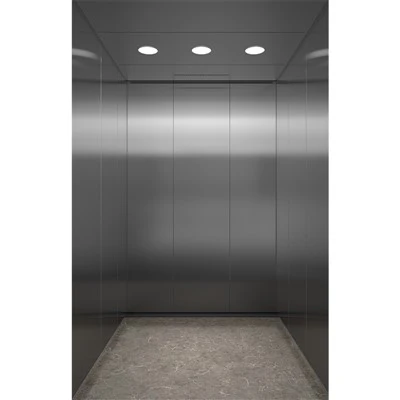
Hey there! I'm working for a residential elevators supplier, and today I want to talk about the environmental considerations for a residential elevator. As we all know, the environment is a hot topic these days, and when it comes to adding a residential elevator, it's important to think about its impact on the planet.
Energy Consumption
One of the biggest environmental concerns with residential elevators is energy consumption. Just like any other appliance or piece of machinery, elevators use energy to operate. However, the good news is that modern residential elevators have come a long way in terms of energy efficiency.
Many of the elevators we offer are equipped with regenerative drives. These drives capture the energy that is normally wasted when the elevator descends and convert it back into electricity. This not only reduces the elevator's energy consumption but also helps to lower your utility bills. For instance, a regenerative drive can save up to 30% of the elevator's energy usage compared to traditional systems.
Another factor that affects energy consumption is the type of elevator. Hydraulic elevators, for example, are known to use more energy than traction elevators. Traction elevators use a counterweight system that helps to balance the load, reducing the amount of energy needed to move the elevator car. So, if you're looking to be more environmentally friendly, a traction elevator might be the way to go.
Materials and Manufacturing
The materials used in the manufacturing of residential elevators also have an environmental impact. At our company, we're committed to using sustainable materials whenever possible. For the elevator car, we often use recycled steel and aluminum. These materials are not only durable but also require less energy to produce compared to virgin materials.
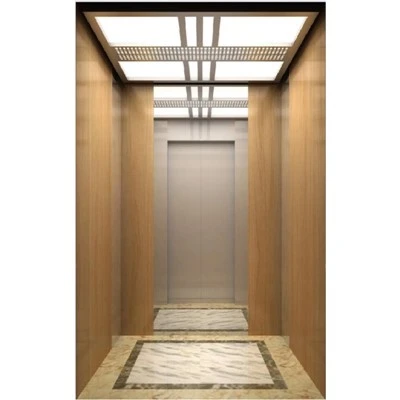
The interior finishes of the elevator car can also be eco - friendly. We offer options like bamboo flooring, which is a rapidly renewable resource. It grows much faster than traditional hardwoods and can be harvested without causing long - term damage to the environment. Additionally, for the walls of the elevator car, we can use low - VOC (volatile organic compounds) paints. VOCs are chemicals that can be released into the air, contributing to indoor air pollution. Using low - VOC paints helps to keep the air inside your home clean and healthy.
In terms of manufacturing processes, we try to minimize waste. Our factory has implemented recycling programs for scrap materials, and we constantly look for ways to optimize our production methods to reduce energy and water usage.
Noise Pollution
Noise pollution is another environmental consideration, especially in a residential setting. No one wants a noisy elevator that disrupts the peace and quiet of their home. Modern residential elevators are designed to operate quietly.
We use high - quality components and advanced engineering techniques to reduce noise levels. For example, the elevator's motor is often enclosed in a sound - insulated housing. This helps to dampen the noise generated by the motor during operation. Additionally, the guide rails and other moving parts are lubricated and maintained to ensure smooth operation, which also reduces noise.
A quiet elevator is not only better for your living environment but also has a positive impact on the overall well - being of your household. You won't have to worry about the constant noise disturbing your sleep or conversations.
End - of - Life Disposal
When it comes to the end of an elevator's life, proper disposal is crucial. We encourage our customers to consider the long - term environmental impact of their elevator purchase. Our company offers recycling and disposal services for old elevators.
Most of the components of a residential elevator, such as the steel, aluminum, and electronics, can be recycled. Recycling these materials reduces the need for new raw materials and helps to conserve natural resources. We work with certified recycling facilities to ensure that the old elevators are disposed of in an environmentally responsible manner.
Types of Residential Elevators and Their Environmental Impact
Let's take a look at some of the different types of residential elevators and how they stack up in terms of environmental considerations.
- Indoor Residential Elevators: These elevators are a popular choice for many homeowners. They are usually installed inside the home, which means they have a relatively small footprint on the outside environment. You can check out more about Indoor Residential Elevators.
- External Residential Lifts: External lifts are great for homes where indoor installation is not feasible. Since they are located outside, they need to be built to withstand different weather conditions. However, they can be designed with energy - efficient features and sustainable materials. For more details, visit External Residential Lifts.
- Private Elevators for Homes: These elevators offer a high level of privacy and customization. When it comes to environmental impact, the same principles of energy efficiency and sustainable materials apply. Learn more about Private Elevators for Homes.
- Senior Home Elevator: Designed specifically for the needs of seniors, these elevators are often equipped with safety features. They can also be made with eco - friendly materials and energy - saving technologies. Check out Senior Home Elevator.
- Round Residential Elevators: These unique elevators add a touch of style to your home. They can be designed to be energy - efficient and use sustainable building materials. Find out more about Round Residential Elevators.
Making an Environmentally - Friendly Choice
If you're in the market for a residential elevator, there are several things you can do to make an environmentally - friendly choice. First, talk to our experts about energy - efficient options. We can help you choose an elevator with the latest technologies that will minimize energy consumption.
Second, consider the materials used in the elevator. Ask about recycled and sustainable options for the car, finishes, and other components. Third, think about the long - term. Make sure the elevator is easy to maintain and has a long lifespan, which will reduce the need for frequent replacements.


Contact Us for Your Residential Elevator Needs
If you're interested in learning more about our residential elevators and how we can help you make an environmentally - friendly choice, don't hesitate to reach out. We're here to answer all your questions and guide you through the process of choosing the perfect elevator for your home. Whether you're concerned about energy consumption, materials, or noise pollution, we have the solutions you need.
References
- "Energy - Efficient Elevator Technologies" by the International Energy Agency
- "Sustainable Materials in Construction" by the Green Building Council
- "Noise Reduction in Elevator Systems" by the Elevator Manufacturers Association