What is the weight limit of an outdoor panoramic elevator? This is a crucial question that often comes up when considering the installation and use of such elevators. As a well - established supplier of outdoor panoramic elevators, I am here to provide a comprehensive answer to this question.
Understanding the Basics of Outdoor Panoramic Elevators
Outdoor panoramic elevators are a remarkable feat of engineering. They are designed not only to transport people and goods between different floors but also to offer a stunning view of the surrounding environment. These elevators typically feature large glass panels that allow passengers to enjoy the scenery as they ascend or descend. They are commonly used in various settings, including hotels, commercial buildings, and even private residences.
Factors Influencing the Weight Limit
The weight limit of an outdoor panoramic elevator is determined by several factors. Firstly, the design and construction of the elevator play a significant role. The materials used, such as the strength of the steel frame and the durability of the cables, are carefully selected to support a certain amount of weight. A well - engineered elevator structure can withstand higher loads.
Secondly, the capacity of the elevator motor is crucial. The motor is responsible for powering the movement of the elevator car. A more powerful motor can handle heavier loads and provide a smooth and efficient operation. Motors are sized based on the expected weight and speed requirements of the elevator.
The braking system is another important factor. A reliable braking system is essential to ensure the safety of passengers and cargo. The braking capacity must be sufficient to stop the elevator quickly and safely in case of an emergency, even when the elevator is fully loaded.
The elevator's speed also affects the weight limit. Higher - speed elevators may have more stringent weight limitations to maintain stability and safety during operation. The faster the elevator moves, the more force is exerted on the elevator components, and thus, the weight capacity needs to be adjusted accordingly.
Typical Weight Limits in Different Applications
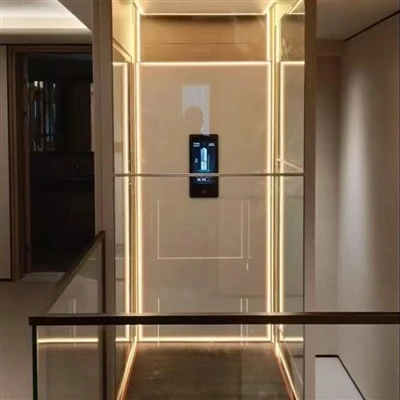
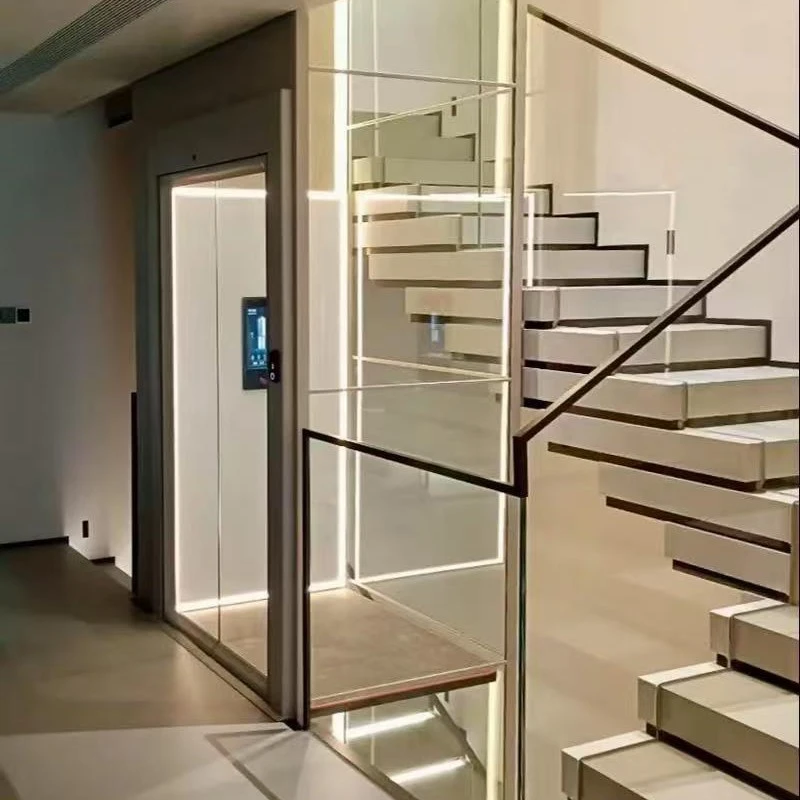
In residential settings, outdoor panoramic elevators, such as the Tube Elevator for House, often have a lower weight limit. They are usually designed to accommodate a small number of passengers or light - weight items. A common weight limit for residential outdoor panoramic elevators ranges from 250 to 500 kilograms. This is sufficient for a few family members or a small amount of furniture.
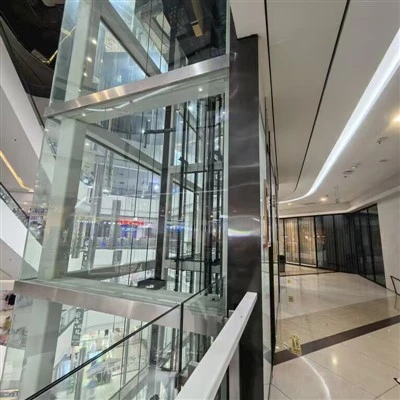
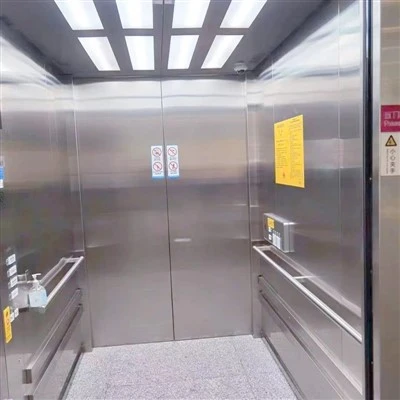
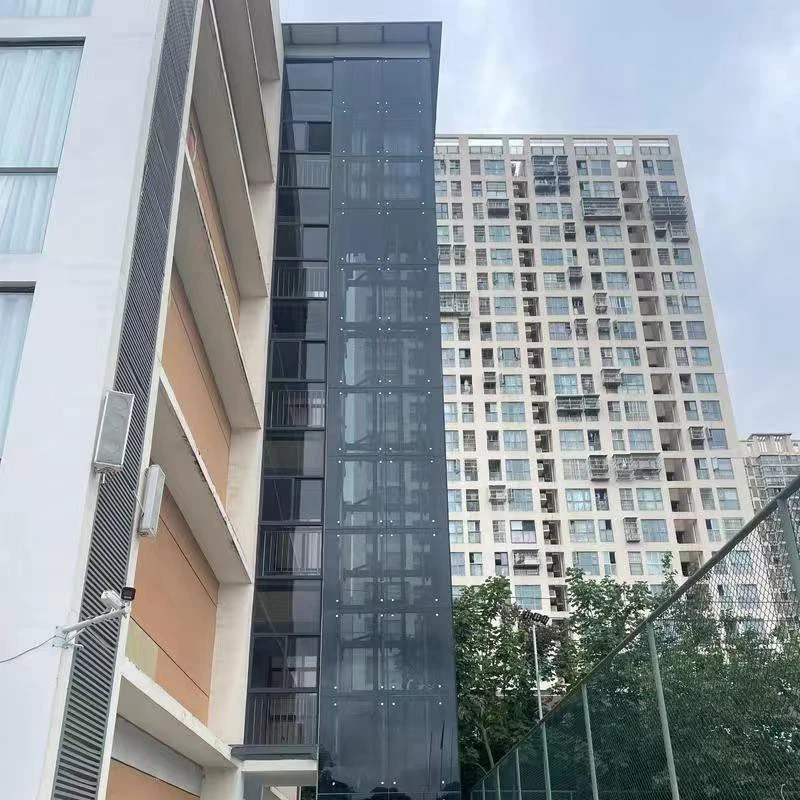
For commercial buildings, the requirements are much higher. The Commercial Glass Elevators need to handle a large number of people during peak hours. These elevators typically have a weight limit of 1000 to 2000 kilograms or even more, depending on the size and usage of the building. For example, in a large hotel or shopping mall, where there is a high volume of pedestrian traffic, an elevator with a higher weight limit is necessary to ensure smooth and efficient transportation.
In some special applications, such as scenic elevators in tourist attractions, the weight limit is also carefully calculated. The Scenic Elevator Details take into account the average weight of tourists, as well as the possibility of carrying backpacks or other equipment. These elevators usually have a weight limit that can handle a group of tourists comfortably, often ranging from 800 to 1500 kilograms.
Importance of Adhering to the Weight Limit
Adhering to the weight limit of an outdoor panoramic elevator is of utmost importance. Exceeding the weight limit can lead to serious safety issues. It can put excessive stress on the elevator cables, causing them to wear out faster or even break. An overloaded elevator can also affect the performance of the motor and braking system, increasing the risk of malfunctions and accidents.
Moreover, operating an elevator beyond its weight limit can void the manufacturer's warranty. This means that in case of any damage or breakdown, the costs of repair and maintenance will have to be borne by the building owner. Therefore, it is essential to follow the recommended weight limits and ensure that passengers are aware of them.
Considerations for Choosing the Right Weight Limit
When choosing an outdoor panoramic elevator, it is crucial to consider the expected usage. If it is for a residential property, and the family is small with limited need for transporting heavy items, a lower - weight - limit elevator may be sufficient. On the other hand, for commercial or high - traffic areas, a higher - weight - limit elevator is necessary.
It is also important to think about future expansion or changes in usage. If there is a possibility that the building will be renovated or the number of occupants will increase in the future, it may be wise to choose an elevator with a slightly higher weight limit than the current requirements.
Our Offerings as an Outdoor Panoramic Elevator Supplier
As a professional outdoor panoramic elevator supplier, we offer a wide range of products with different weight limits to meet the diverse needs of our customers. Our Home Glass Lift is an ideal choice for residential properties. It combines elegance with functionality, providing a safe and comfortable ride with an appropriate weight limit for home use.
For commercial clients, our External Glass Lifts are designed to handle high - volume traffic. They are equipped with advanced technology and high - quality components to ensure reliable performance and a long service life.
Contact Us for Purchase and Consultation
If you are interested in our outdoor panoramic elevators and would like to discuss your specific requirements, we encourage you to contact us. We have a team of experienced professionals who can provide you with detailed information, offer customized solutions, and assist you throughout the purchasing process. Whether you need a residential elevator with a lower weight limit or a commercial elevator with a high - capacity design, we are here to help you make the right choice.
References
- Elevator Design Handbook, 3rd Edition
- Safety Standards for Elevators and Escalators, National Elevator Industry, Inc.