In the realm of vertical transportation, the performance of elevators, particularly in terms of acceleration and deceleration, is a critical factor that significantly impacts the user experience. As a supplier of MRL (Machine Room Less) Passenger Lifts, I have witnessed firsthand the importance of these aspects in ensuring smooth, comfortable, and efficient rides.
Understanding the Basics of Acceleration and Deceleration in MRL Passenger Lifts
Acceleration and deceleration are key dynamic characteristics of MRL Passenger Lifts. Acceleration refers to the rate at which the lift increases its speed when starting to move, while deceleration is the rate at which it slows down to a stop. These two parameters are carefully engineered to balance the need for efficient transportation with passenger comfort and safety.
From a technical perspective, the acceleration and deceleration values are typically measured in meters per second squared (m/s²). In most modern MRL Passenger Lifts, the acceleration rate ranges from 0.6 to 1.0 m/s², and the deceleration rate is similar. These values are designed to provide a comfortable ride for passengers, minimizing the sensation of jerks or sudden movements.
The Impact of Acceleration and Deceleration on Passenger Comfort
Passenger comfort is of utmost importance in the design and operation of MRL Passenger Lifts. When a lift accelerates or decelerates too rapidly, passengers may experience discomfort, such as a feeling of being pushed or pulled. This can be particularly unpleasant for elderly or disabled passengers, as well as those with motion sickness.
On the other hand, if the acceleration and deceleration rates are too slow, the lift may take longer to reach its destination, resulting in longer wait times for passengers. This can be frustrating, especially in high - traffic buildings such as commercial centers and hospitals.
To ensure optimal passenger comfort, modern MRL Passenger Lifts are equipped with advanced control systems that can precisely regulate the acceleration and deceleration processes. These systems use sophisticated algorithms to adjust the speed of the lift based on factors such as the number of passengers, the weight in the cabin, and the distance to the next stop.
Efficiency and Productivity: The Role of Acceleration and Deceleration
In addition to passenger comfort, the acceleration and deceleration performance of MRL Passenger Lifts also plays a crucial role in the overall efficiency and productivity of a building. In a busy commercial building, for example, a lift that can quickly accelerate and decelerate can transport more passengers in a shorter period of time. This reduces the waiting time for passengers and improves the flow of traffic within the building.
Moreover, efficient acceleration and deceleration can also contribute to energy savings. When a lift accelerates and decelerates smoothly and quickly, it can reach its cruising speed faster and maintain it for a longer period of time. This reduces the energy consumption associated with frequent speed changes.
Our MRL Passenger Lifts: A Closer Look at Acceleration and Deceleration Performance
As a supplier, we are committed to providing MRL Passenger Lifts with superior acceleration and deceleration performance. Our lifts are equipped with state - of - the - art traction systems that offer precise control over the speed and movement of the cabin.
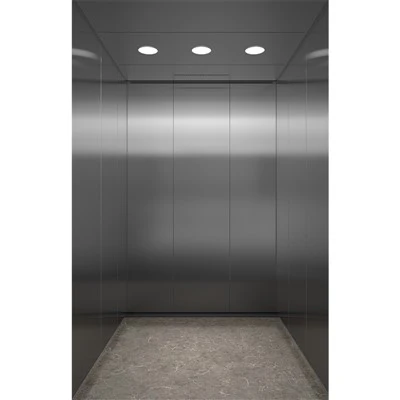
The MRL Passenger Lift we offer features a smooth acceleration process that gradually increases the speed of the lift. This is achieved through a combination of advanced motor control technology and intelligent algorithms that take into account various factors such as the load in the cabin.
During deceleration, our lifts use a similar approach. The control system gradually reduces the speed of the lift, ensuring a smooth and gentle stop. This not only enhances passenger comfort but also reduces wear and tear on the lift components, extending the lifespan of the elevator.
Our Machine Room Less Traction Elevator is another product that showcases our expertise in optimizing acceleration and deceleration. With its high - efficiency traction drive, this elevator can achieve rapid acceleration and deceleration while maintaining a high level of stability and comfort.
Comparing with Hydraulic MRL Elevators
When it comes to MRL elevators, there are two main types: traction and hydraulic. Each has its own characteristics in terms of acceleration and deceleration.
Hydraulic MRL Elevator typically have a different acceleration and deceleration profile compared to traction elevators. Hydraulic elevators generally have a slower acceleration and deceleration rate. This is because the hydraulic system, which uses fluid pressure to move the lift, has a certain inertia that limits the speed at which the lift can start and stop.
In contrast, our traction - based MRL Passenger Lifts can offer faster acceleration and deceleration, which is beneficial for applications where time is of the essence. However, hydraulic elevators are known for their smooth and quiet operation, and they are often a good choice for low - rise buildings or applications where a more gentle ride is preferred.
The Importance of Regular Maintenance for Optimal Performance
To ensure that our MRL Passenger Lifts continue to deliver excellent acceleration and deceleration performance, regular maintenance is essential. Over time, components such as the motor, brakes, and control systems may wear out or become less efficient, which can affect the acceleration and deceleration characteristics of the lift.
Our maintenance team is trained to perform regular inspections and servicing of the lifts. They check the alignment of the ropes, the condition of the brakes, and the functionality of the control systems. By identifying and addressing potential issues early, we can prevent problems from occurring and ensure that the lift operates at its best.


Contact Us for Your MRL Passenger Lift Needs
If you are in the market for an MRL Passenger Lift and are concerned about acceleration and deceleration performance, we are here to help. Our team of experts can provide you with detailed information about our products and how they can meet your specific requirements. Whether you need a lift for a commercial building, a residential complex, or a public facility, we have the right solution for you.
Feel free to reach out to us to start a discussion about your MRL Passenger Lift project. We look forward to the opportunity to work with you and provide you with a high - quality, efficient, and comfortable vertical transportation solution.
References
- "Elevator Technology Handbook", John Wiley & Sons
- "Vertical Transportation Handbook", Butterworth - Heinemann