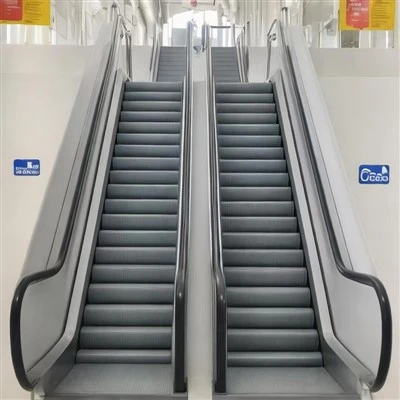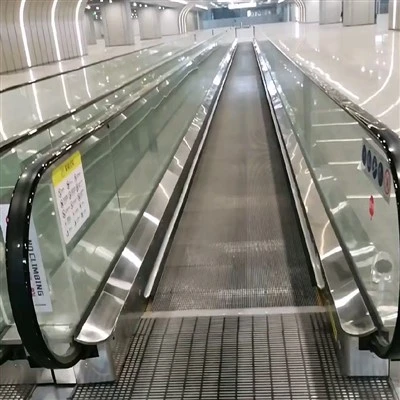
Vibrations in escalators can be a significant concern for both passengers and building owners. As an escalator supplier, we understand the importance of providing a smooth and comfortable riding experience. Excessive vibrations not only affect the comfort of passengers but can also lead to long - term damage to the escalator components, increasing maintenance costs and potentially causing safety hazards. In this blog, we will explore various methods to reduce the vibration of an escalator.
1. Foundation and Installation
The first step in reducing escalator vibration starts with the foundation and installation process. A solid and stable foundation is crucial for minimizing vibrations. The escalator should be installed on a flat and rigid surface that can support its weight and the dynamic loads during operation.
- Proper Site Preparation: Before installation, the site must be carefully prepared. This includes checking the floor's strength and levelness. Any unevenness in the floor can cause the escalator to vibrate as it moves. For example, if the floor has a slope beyond the allowable tolerance, the escalator will have to work harder to maintain a stable movement, leading to increased vibrations.
- Precise Alignment: During installation, precise alignment of all escalator components is essential. This includes aligning the tracks, steps, and drive systems. Misaligned components can cause the steps to move unevenly, resulting in vibrations. For instance, if the step chains are not properly tensioned or aligned, the steps may jolt or vibrate as they move along the tracks.
2. Component Quality and Maintenance
The quality of the escalator components and regular maintenance play a vital role in reducing vibrations.
- High - Quality Components: Using high - quality components from reliable manufacturers can significantly reduce vibrations. For example, high - precision bearings in the drive system can ensure smooth rotation, minimizing the vibrations caused by friction. Similarly, well - made step chains and sprockets can provide a more stable movement of the steps.
- Regular Maintenance: Regular maintenance is necessary to keep the escalator in good working condition. This includes lubricating moving parts, inspecting and replacing worn - out components, and checking the tightness of bolts and fasteners. For instance, if the gears in the drive system are not properly lubricated, they can produce excessive noise and vibrations due to increased friction.
3. Drive System Optimization
The drive system is one of the main sources of vibrations in an escalator. Optimizing the drive system can help reduce these vibrations.
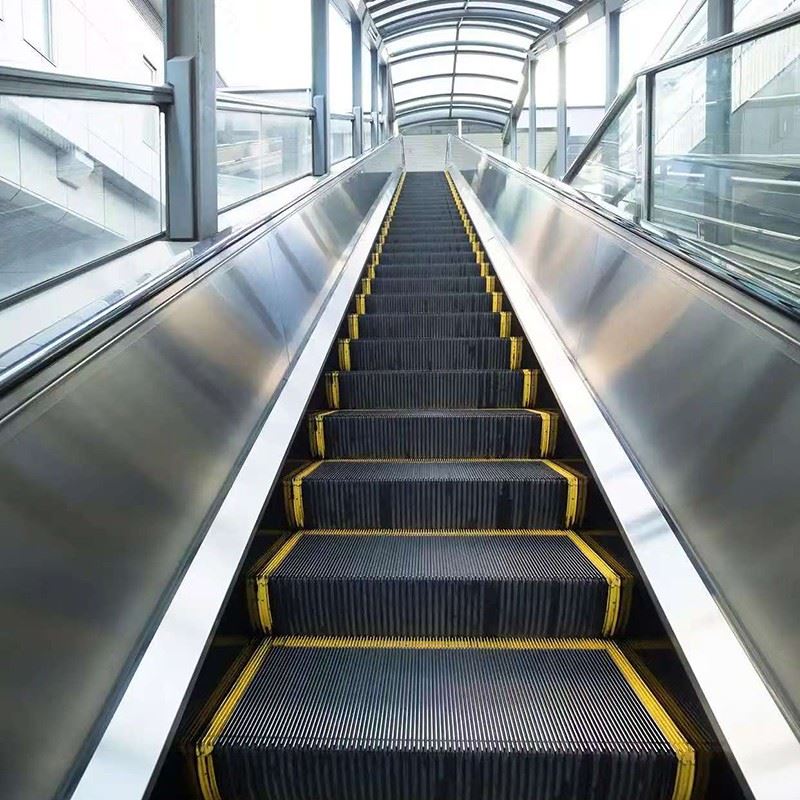

- Variable Frequency Drives (VFDs): VFDs can control the speed of the escalator motor more precisely. By adjusting the motor speed smoothly, VFDs can reduce the sudden starts and stops that often cause vibrations. For example, when an escalator starts or stops abruptly, it can create a jolt that is felt by passengers. A VFD can gradually increase or decrease the motor speed, providing a smoother ride.
- Balanced Motor and Drive Components: Ensuring that the motor and other drive components are balanced is crucial. An unbalanced motor can cause vibrations that are transmitted throughout the escalator. Regularly checking and balancing the motor rotors and other rotating parts can help minimize these vibrations.
4. Anti - Vibration Mounts
Using anti - vibration mounts is an effective way to reduce the transmission of vibrations from the escalator to the building structure.
- Isolation Mounts: Anti - vibration isolation mounts can be installed between the escalator and its foundation. These mounts are made of materials such as rubber or neoprene, which can absorb and dampen vibrations. They act as a buffer, preventing the vibrations generated by the escalator from being transferred to the building. For example, when the escalator is in operation, the isolation mounts will compress and expand slightly, absorbing the energy of the vibrations.
- Vibration - Damping Materials: In addition to isolation mounts, vibration - damping materials can be used in other parts of the escalator. For example, applying damping pads to the frame of the escalator can help reduce vibrations. These pads absorb the energy of the vibrations, reducing their amplitude.
5. Step Design and Maintenance
The design and maintenance of the escalator steps also contribute to vibration reduction.
- Step Geometry: The shape and design of the steps can affect how they move along the tracks. Steps with a proper geometry can ensure a smooth transition between the horizontal and inclined sections of the escalator, reducing vibrations. For example, rounded edges on the steps can help them glide more smoothly along the tracks.
- Step Cleaning and Inspection: Regular cleaning and inspection of the steps are necessary. Dirt, debris, or damage to the steps can cause uneven movement and vibrations. For instance, if a step has a crack or a foreign object is stuck in it, it can disrupt the normal movement of the steps and lead to vibrations.
Our Escalator Solutions
As an escalator supplier, we offer a wide range of escalator products to meet different customer needs. You can explore our Building Escalator, Waterproof Escalator, Anti Climb Escalator, Commercial Escalator, and Outdoor Escalator for Home. Our escalators are designed with advanced technology and high - quality materials to ensure a smooth and low - vibration operation.
If you are interested in our escalator products and would like to discuss your specific requirements, please feel free to contact us for a procurement negotiation. We are committed to providing you with the best escalator solutions and excellent customer service.
References
- "Escalator Design and Installation Guidelines", International Building Codes Institute.
- "Maintenance Manual for Escalators and Moving Walks", Manufacturer's Association of Elevator and Escalator.
- "Vibration Analysis in Mechanical Systems", Journal of Mechanical Engineering Research.