Hey there! As a supplier of moving walkways, I often get asked some pretty interesting questions. One that popped up recently is, "Can you use a moving walkway with a crutch?" It's a valid query, and today, I'm gonna break it down for you.
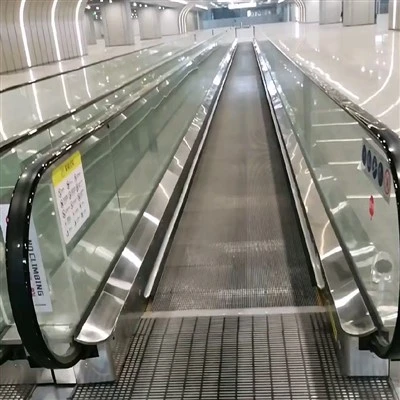
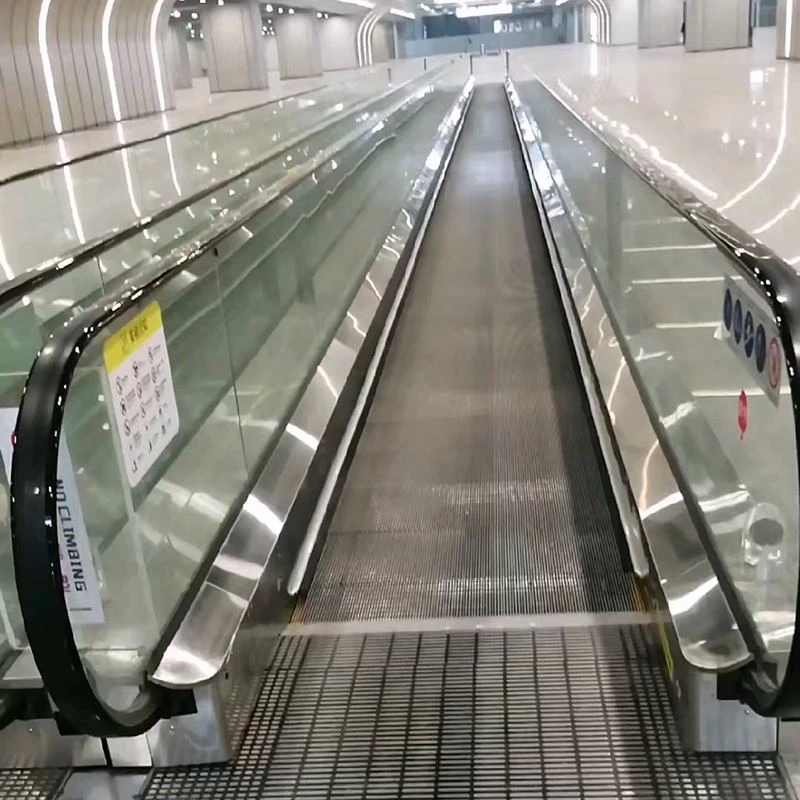
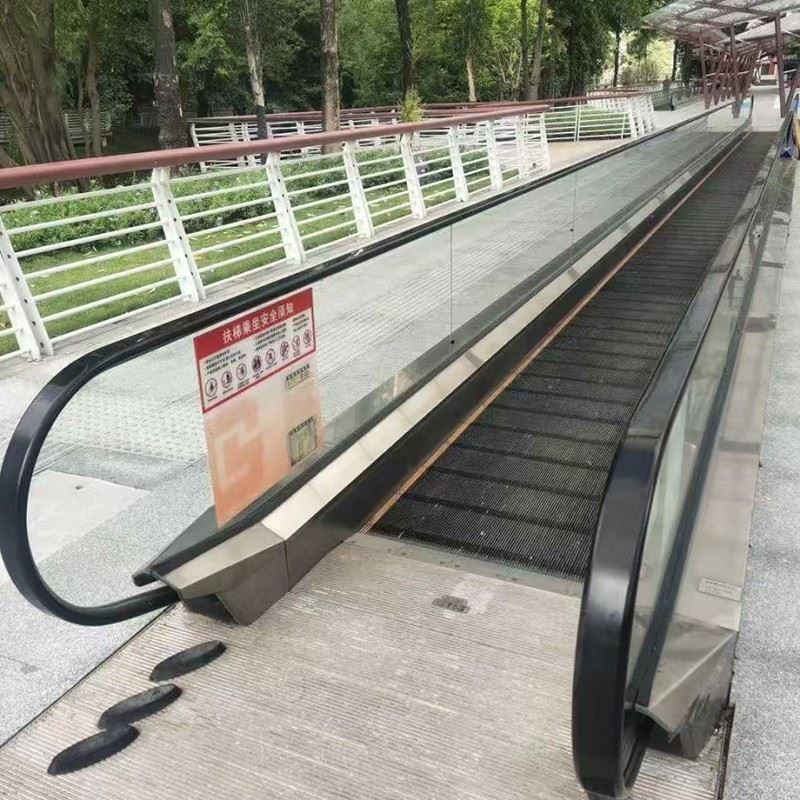
First off, let's talk a bit about what moving walkways are. We offer a variety of types, like the Moveable Walkway, Automatic Walkway, and Flat Moving Escalator. These walkways are designed to make it easier for people to get around in large spaces like airports, shopping malls, and train stations.
Now, back to the main question. The short answer is yes, you can use a moving walkway with a crutch, but there are some things to keep in mind.
Safety First
Safety is always the top priority when using a moving walkway, especially if you're relying on a crutch. The surface of the walkway can be smooth, and the movement can be a bit disorienting. So, it's crucial to hold onto the handrail firmly with one hand while using the crutch with the other. This helps maintain your balance and reduces the risk of falling.
When you step onto the walkway, do it slowly and carefully. Make sure your crutch is stable and that you're comfortable with the speed of the walkway. If the walkway is moving too fast for you, it might be better to walk beside it instead.
Maneuvering with a Crutch
Maneuvering on a moving walkway with a crutch can be a bit tricky. You need to be aware of your surroundings and give yourself enough space. Try to stay in the middle of the walkway to avoid bumping into other people. If there are other passengers on the walkway, be patient and wait for a clear path before you start moving.
It's also important to be mindful of the length of your crutch. Make sure it doesn't get caught in the edges of the walkway or the handrail. If you're using a folding crutch, make sure it's fully extended and locked before you step onto the walkway.
Training and Familiarization
If you're not used to using a moving walkway with a crutch, it might be a good idea to practice in a less crowded area first. Find a moving walkway in a shopping mall or a train station during off-peak hours and give it a try. This will help you get used to the movement and build your confidence.
Some airports and large public spaces also offer training programs for people with disabilities or mobility issues. These programs can provide valuable tips and guidance on how to use moving walkways safely and effectively.
Our Moving Walkways and Accessibility
At our company, we understand the importance of accessibility. That's why our moving walkways are designed with features that make them easier to use for people with disabilities. For example, our walkways have wide handrails that are easy to grip, and the surface is textured to provide better traction.
We also offer adjustable speed settings on some of our walkways. This allows users to choose a speed that is comfortable for them, whether they're using a crutch or not.
Encouraging Inclusivity
Using a moving walkway with a crutch is not only possible but also an important step towards inclusivity. By making our moving walkways accessible to everyone, we're creating a more inclusive environment where people with disabilities can move around freely and independently.
If you're a facility manager or an architect, consider installing our moving walkways in your building. They can make a big difference in the lives of your visitors, especially those with mobility issues.
Contact Us for More Information
If you're interested in learning more about our moving walkways or have any questions about using them with a crutch, feel free to reach out to us. We're here to help you find the right solution for your needs. Whether you're looking for a Moveable Walkway, Automatic Walkway, or Flat Moving Escalator, we've got you covered.
We're always happy to have a chat about your requirements and provide you with a quote. So, don't hesitate to get in touch and start the conversation about how our moving walkways can enhance the accessibility and functionality of your space.
References
- International Organization for Standardization. (2017). ISO 11554:2017 - Safety requirements for escalators and moving walks.
- Americans with Disabilities Act (ADA) Standards for Accessible Design. (2010). U.S. Department of Justice.