Hey there! As a supplier of outdoor panoramic elevators, I often get asked if these cool elevators can be installed in any building. Well, the answer isn't a simple yes or no. Let's dive into the details and figure out what it takes to put an outdoor panoramic elevator in a building.
Building Structure and Foundation
First off, the building's structure and foundation are super important. Outdoor panoramic elevators are heavy, and they need a solid base to stand on. If a building has a weak foundation, it might not be able to support the weight of the elevator. For example, an old building with a deteriorating foundation could be a no - go. The elevator's weight, along with the weight of the passengers, needs to be evenly distributed. Engineers have to assess the building's load - bearing capacity to make sure it can handle the extra stress.
Another aspect is the structural integrity of the building. If the building's walls or support columns are not strong enough, installing an outdoor elevator could cause structural damage. In some cases, the building might need to be reinforced before the elevator can be installed. This could involve adding steel beams or strengthening the concrete foundation. It's a complex process that requires a team of experts, including structural engineers and architects.
Zoning and Permits
Zoning regulations play a huge role in whether an outdoor panoramic elevator can be installed. Different areas have different rules about what can be built on a property. Some neighborhoods have strict aesthetic guidelines to maintain the character of the area. An outdoor elevator might not fit in with the look of the neighborhood, and local authorities might deny the permit.
Getting the necessary permits is also a time - consuming process. You have to submit detailed plans to the local government, including the design of the elevator, its location, and how it will affect the building and the surrounding area. The authorities will review these plans to make sure they comply with all the safety and environmental regulations. If there are any issues, you'll have to make changes to the plans and resubmit them. This can delay the installation process and add to the cost.
Space and Location
The available space around the building is crucial. Outdoor panoramic elevators need enough room for installation and operation. There has to be enough clearance for the elevator shaft, as well as space for the doors to open and close. If the building is located in a crowded area with limited space, it might be difficult to find a suitable location for the elevator.
The location of the elevator also matters. It should be easily accessible from the building's interior. For example, if the elevator is installed on the side of the building that is far from the main entrance, it won't be very convenient for the users. Additionally, the elevator should be placed in a location where it won't cause any obstruction to pedestrians or traffic.
Weather and Environmental Conditions
Outdoor elevators are exposed to the elements, so weather and environmental conditions are a big consideration. In areas with extreme weather, such as heavy snow, strong winds, or high humidity, special precautions need to be taken. For instance, in cold climates, the elevator's components need to be able to withstand freezing temperatures. The glass panels might need to be heated to prevent ice formation.
Environmental factors like pollution and saltwater can also affect the elevator. In coastal areas, the salt in the air can corrode the elevator's metal parts. The elevator's materials need to be chosen carefully to resist corrosion and damage from the environment. Regular maintenance is also essential to keep the elevator in good working condition.
Types of Buildings
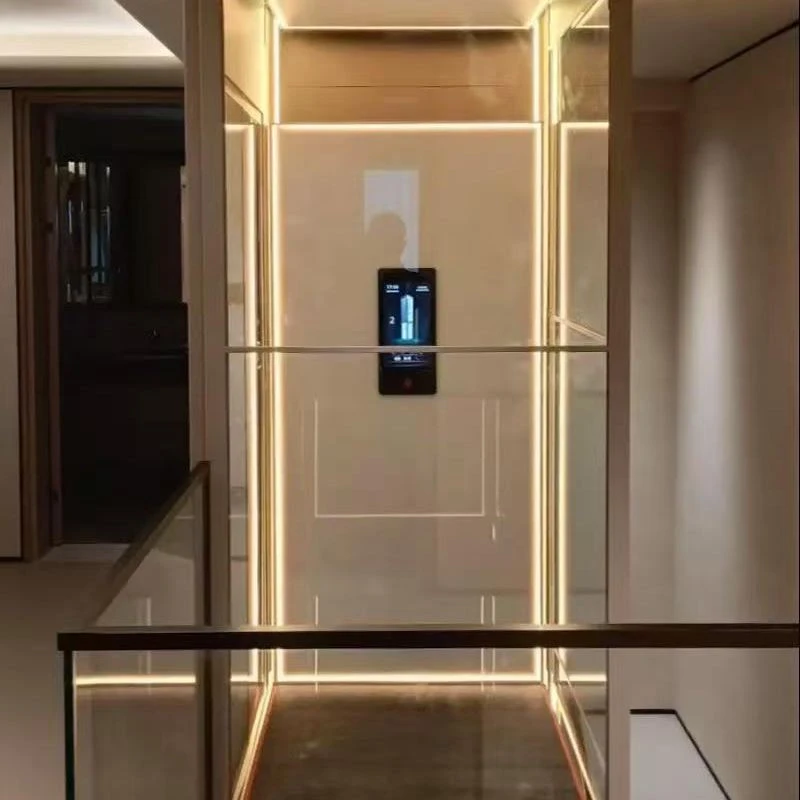
Let's talk about different types of buildings. Residential buildings, like single - family homes, can sometimes have outdoor panoramic elevators. If you're interested in a tube elevator for your house, you can check out Tube Elevator for House. These elevators can add a touch of luxury and convenience to your home. However, as mentioned earlier, the house's structure and local regulations need to be considered.
For multi - family residential buildings, the installation can be more complex. There are more people using the elevator, so it needs to be larger and more durable. The building management also has to get approval from all the residents. A Home Glass Lift could be a great option for these types of buildings, offering a modern and stylish look.
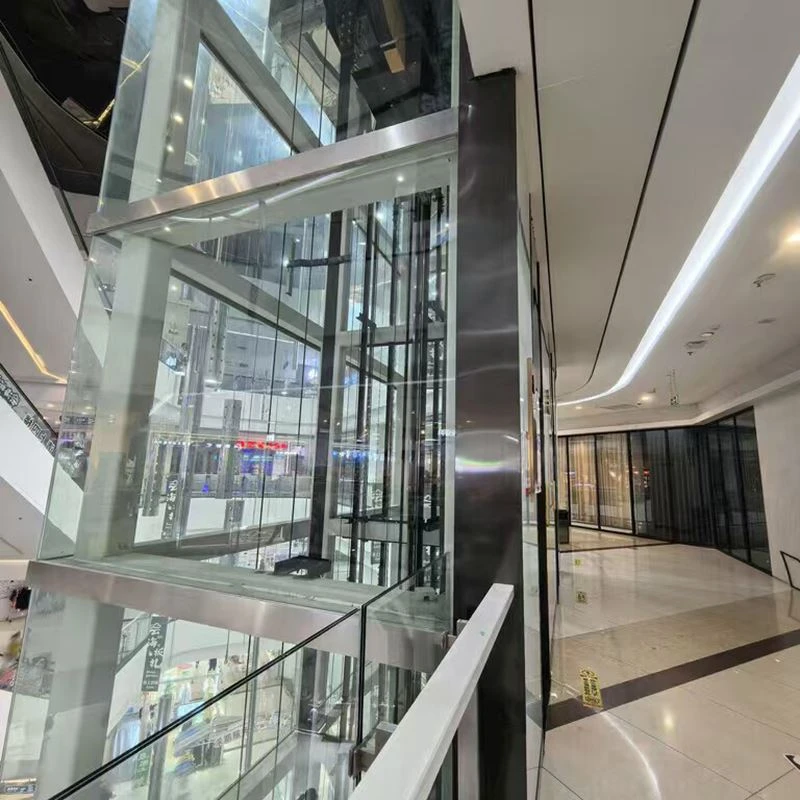
Commercial buildings, such as offices and shopping malls, often have different requirements. They need elevators that can handle a high volume of traffic. Commercial Glass Elevators are designed for these settings, providing a sleek and functional solution. But again, the building's structure, space, and permits are all important factors.
Cost Considerations
Installing an outdoor panoramic elevator is not cheap. The cost includes the elevator itself, the installation, any necessary building modifications, and the permits. The price can vary depending on the size, design, and features of the elevator. In some cases, the cost of reinforcing the building's structure can be a significant expense.
Maintenance is also an ongoing cost. Outdoor elevators need regular cleaning, inspection, and repairs to ensure their safety and performance. You have to factor in these costs when deciding whether to install an elevator.
Conclusion
So, can an outdoor panoramic elevator be installed in any building? The answer is no. There are many factors to consider, including the building's structure, zoning regulations, space, weather conditions, and cost. But if a building meets all the requirements, an outdoor panoramic elevator can be a great addition, offering a unique and convenient way to move around.
If you're thinking about installing an outdoor panoramic elevator in your building, I'd love to have a chat with you. We can discuss your specific needs, assess the feasibility of the project, and come up with the best solution for you. Whether it's a residential or commercial building, we have the expertise to make it happen. Get in touch with us to start the conversation and take the first step towards a more convenient and stylish building.
References
- Building Codes and Standards: Local building codes and regulations are essential references for understanding the requirements for elevator installation.
- Engineering Guidelines: Guidelines provided by engineering organizations help in assessing the structural integrity of buildings for elevator installation.
- Manufacturer's Specifications: The specifications provided by elevator manufacturers give detailed information about the elevator's requirements and capabilities.