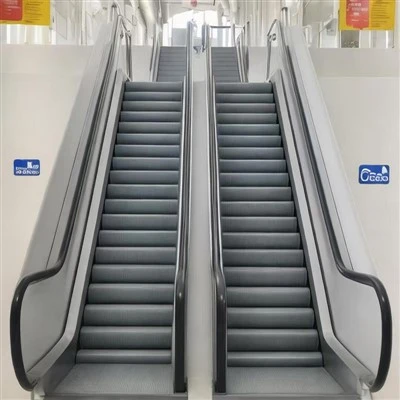
How fast do automatic walkways move?
As a supplier of automatic walkways, I often get asked about the speed at which these convenient transportation devices operate. The speed of automatic walkways can vary significantly depending on several factors, including their intended use, location, and safety regulations. In this blog post, I'll delve into the details of automatic walkway speeds, exploring the typical ranges, factors influencing speed, and the importance of speed in different settings.
Typical Speeds of Automatic Walkways
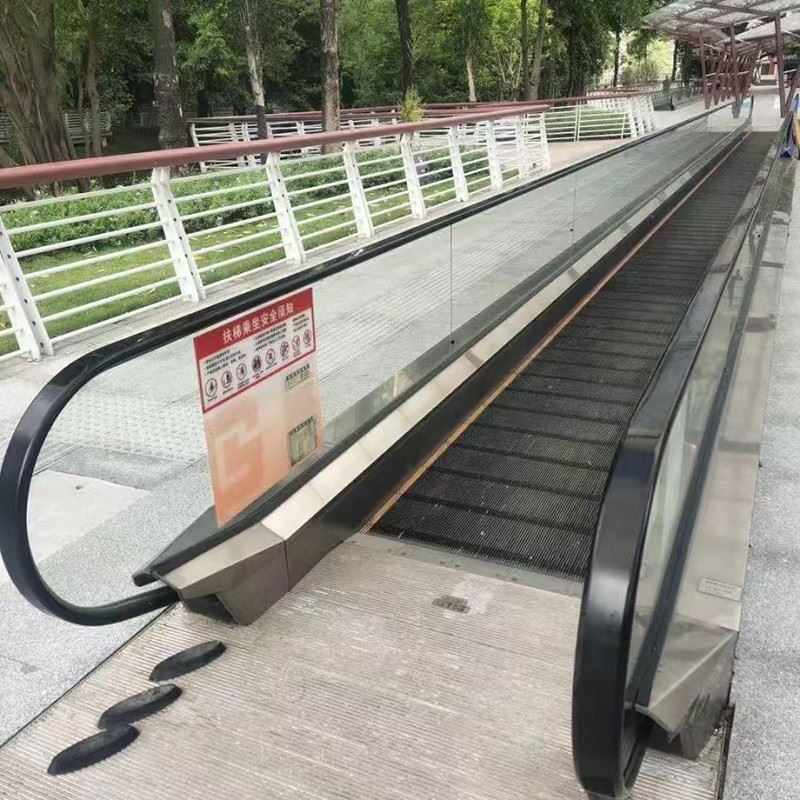
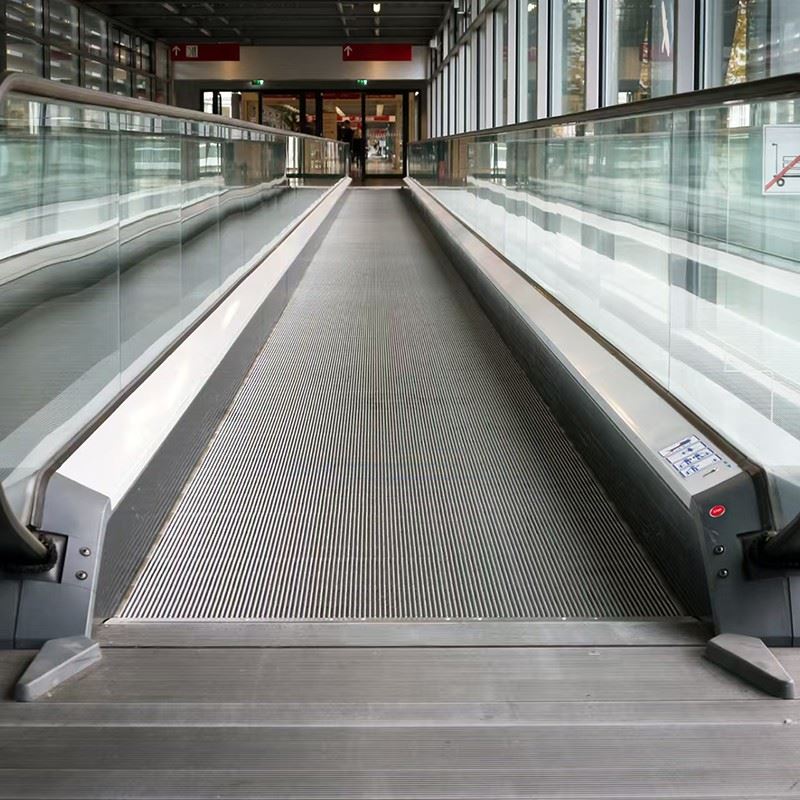
The speed of automatic walkways typically falls within a range of 0.5 to 1.5 meters per second (m/s), which is equivalent to 1.8 to 5.4 kilometers per hour (km/h). However, this range can vary based on the type of walkway and its application.
- Slow-Speed Walkways: These are commonly found in areas where safety and ease of use are the primary concerns, such as airports, shopping malls, and hospitals. Slow-speed walkways usually operate at speeds between 0.5 and 0.75 m/s (1.8 to 2.7 km/h). This speed allows passengers to comfortably step on and off the walkway, even if they are carrying luggage or have limited mobility.
- Medium-Speed Walkways: Medium-speed walkways are often used in larger transportation hubs, such as train stations and subway terminals, where there is a higher volume of foot traffic. These walkways typically operate at speeds between 0.75 and 1.2 m/s (2.7 to 4.3 km/h). The slightly higher speed helps to move passengers more quickly through the facility, reducing congestion and waiting times.
- High-Speed Walkways: High-speed walkways are less common and are typically found in specialized applications, such as long-distance airport terminals or large convention centers. These walkways can operate at speeds up to 1.5 m/s (5.4 km/h) or even higher in some cases. High-speed walkways are designed to cover long distances quickly, allowing passengers to reach their destinations more efficiently.
Factors Influencing Automatic Walkway Speed
Several factors can influence the speed at which an automatic walkway operates. These factors include:
- Safety Regulations: Safety is the top priority when it comes to automatic walkways. Local safety regulations often specify the maximum speed at which walkways can operate to ensure the safety of passengers. These regulations take into account factors such as the length of the walkway, the type of surface, and the presence of obstacles or other hazards.
- Intended Use: The intended use of the walkway also plays a role in determining its speed. For example, a walkway in a shopping mall may be designed to operate at a slower speed to allow shoppers to browse the stores as they move along. On the other hand, a walkway in an airport terminal may be designed to operate at a higher speed to help passengers reach their gates more quickly.
- Location and Environment: The location and environment in which the walkway is installed can also affect its speed. For example, a walkway in a busy airport terminal may need to operate at a higher speed to handle the large volume of foot traffic. In contrast, a walkway in a quiet hospital corridor may be designed to operate at a slower speed to provide a more comfortable and relaxing environment for patients and visitors.
- Maintenance and Condition: The maintenance and condition of the walkway can also impact its speed. Regular maintenance is essential to ensure that the walkway operates smoothly and safely. If the walkway is not properly maintained, it may experience mechanical problems or other issues that can affect its speed.
Importance of Speed in Different Settings
The speed of automatic walkways is an important consideration in different settings, as it can have a significant impact on the efficiency, convenience, and safety of passengers. Here are some examples of how speed is important in different settings:
- Airports: In airports, automatic walkways are used to transport passengers between terminals, gates, and other areas of the airport. The speed of these walkways is crucial for reducing travel time and improving the overall passenger experience. High-speed walkways can help passengers reach their gates more quickly, especially in large airports where distances can be significant.
- Shopping Malls: In shopping malls, automatic walkways are used to move shoppers between different levels and areas of the mall. The speed of these walkways is important for providing a comfortable and convenient shopping experience. Slow-speed walkways allow shoppers to browse the stores as they move along, while medium-speed walkways can help to move shoppers more quickly through the mall.
- Train Stations and Subway Terminals: In train stations and subway terminals, automatic walkways are used to transport passengers between platforms, exits, and other areas of the station. The speed of these walkways is crucial for reducing congestion and waiting times. High-speed walkways can help passengers reach their trains more quickly, especially during peak travel times.
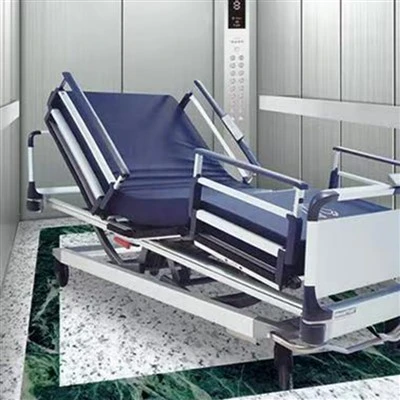
- Hospitals: In hospitals, automatic walkways are used to transport patients, visitors, and staff between different departments and areas of the hospital. The speed of these walkways is important for providing a comfortable and safe environment for patients and visitors. Slow-speed walkways allow patients and visitors to move at a comfortable pace, while medium-speed walkways can help to move staff more quickly through the hospital.
Our Automatic Walkway Solutions
At our company, we offer a wide range of automatic walkway solutions to meet the needs of different customers and applications. Our walkways are designed to operate at various speeds, depending on the specific requirements of the project. We also offer a variety of features and options to enhance the safety, comfort, and efficiency of our walkways.
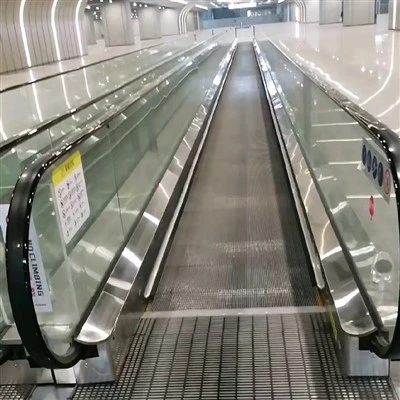
- Moving Walk Escalator: Our moving walk escalators are designed to provide a smooth and comfortable ride for passengers. They are available in a range of speeds and configurations to meet the needs of different applications.
- Rolling Walkway: Our rolling walkways are designed to provide a high-speed transportation solution for long distances. They are available in a range of speeds and lengths to meet the needs of different projects.
- Moveable Walkway: Our moveable walkways are designed to provide a flexible and customizable transportation solution for different environments. They are available in a range of speeds and configurations to meet the needs of different applications.
- Automatic Walkway: Our automatic walkways are designed to provide a reliable and efficient transportation solution for different settings. They are available in a range of speeds and lengths to meet the needs of different projects.
- Flat Moving Escalator: Our flat moving escalators are designed to provide a smooth and comfortable ride for passengers. They are available in a range of speeds and configurations to meet the needs of different applications.
Contact Us for More Information
If you're interested in learning more about our automatic walkway solutions or have any questions about the speed of our walkways, please don't hesitate to contact us. Our team of experts is available to provide you with more information and help you choose the right walkway solution for your project. We look forward to hearing from you and working with you to provide the best automatic walkway solution for your needs.
References
- International Organization for Standardization (ISO). (2017). ISO 11551:2017 - Safety requirements for escalators and moving walks.
- American Society of Mechanical Engineers (ASME). (2019). ASME A17.1 - Safety Code for Elevators and Escalators.
- National Fire Protection Association (NFPA). (2018). NFPA 101 - Life Safety Code.